

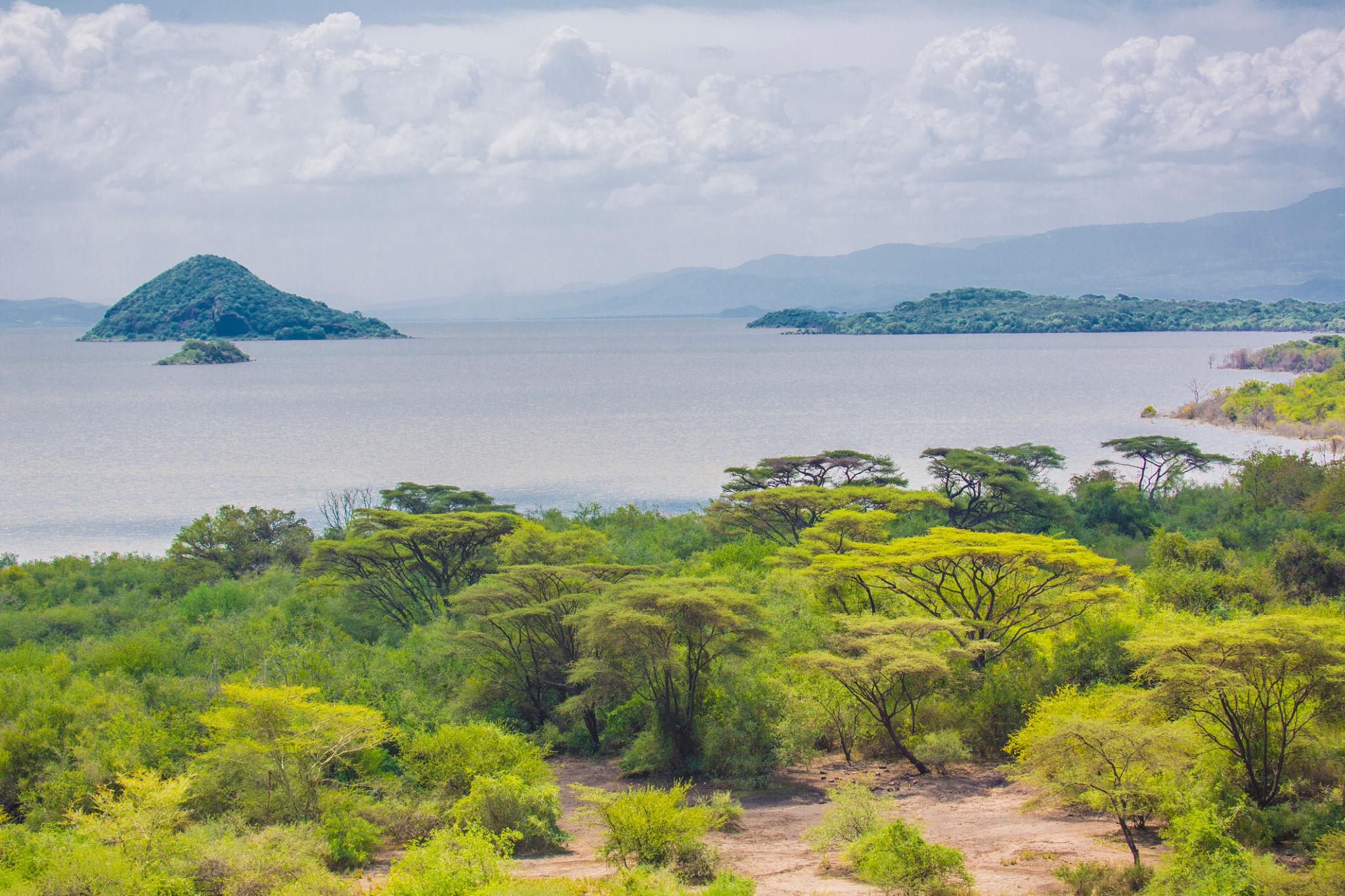
Explore the extraordinary wildlife, beautiful landscapes and hidden natural treasures of southwestern Ethiopia.
Discover a different side of Ethiopia with Aman Ethiopia Tours & Travel from the endangered Swayne’s hartebeest of Maze National Park to the magnificent African elephants of Chebera Churchura National Park.
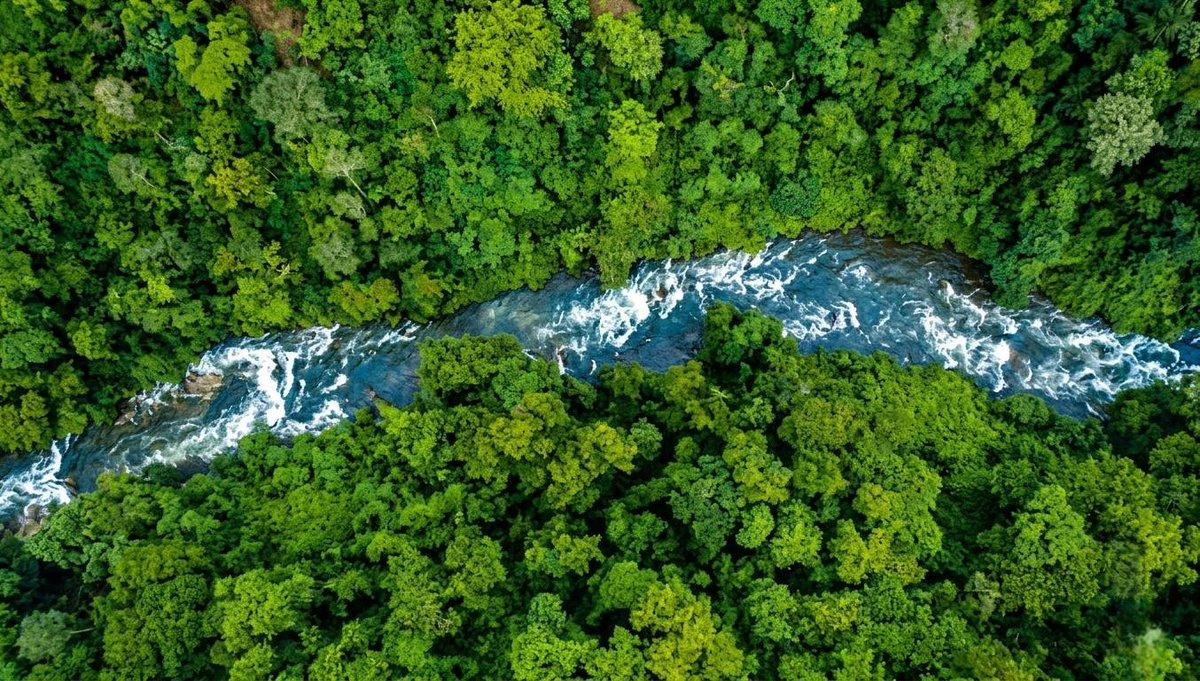
Maze & Chebera Churchura National Parks: Ethiopia’s Untouched Wildlife Wilderness
Ethiopia is internationally celebrated for its ancient history, extraordinary cultural heritage, dramatic mountains and remarkable natural landscapes. From the rock-hewn churches of Lalibela and the volcanic scenery of the Danakil Depression to the colourful cultural traditions of the Omo Valley, the country offers travellers an incredible variety of experiences. However, there is another side of Ethiopia that remains relatively unknown to many international visitors: its extraordinary southwestern wilderness.
In this less-explored region, dense tropical forests meet open savannas, rivers flow through remote landscapes, elephants move through woodland habitats, and rare antelopes graze across natural grasslands. The region also contains important coffee-growing landscapes, traditional communities and remarkable biodiversity. Two destinations stand out for travellers interested in discovering this lesser-known natural heritage: Maze National Park and Chebera Churchura National Park.
Maze National Park is particularly important for the endangered Swayne’s hartebeest, an antelope subspecies native to Ethiopia. Its open grasslands, riverine forests and woodland habitats create excellent opportunities for wildlife observation, birdwatching and nature photography. Chebera Churchura National Park offers a contrasting wilderness experience, with extensive forests, grasslands, rivers and wetlands.
The park is especially known for its African elephants and offers opportunities for guided wildlife exploration with authorised local park personnel. Together, these two national parks provide an exceptional opportunity to discover the diversity of Ethiopia’s wildlife and natural environments. At Aman Ethiopia Tours & Travel, we organise wildlife safaris, nature expeditions, coffee experiences and tailor-made journeys designed to help international visitors discover Ethiopia beyond its familiar destinations.
Whether you are a wildlife photographer, birdwatcher, nature enthusiast, adventurous couple or experienced African traveller, a journey through Maze and Chebera Churchura can introduce you to a remarkable and less-visited part of the country.
1. Why Visit Maze and Chebera Churchura National Parks?
Ethiopia has several outstanding protected areas, but Maze and Chebera Churchura offer particularly interesting opportunities for travellers seeking different wildlife experiences. The parks are geographically and ecologically distinct, making them excellent destinations for a combined wilderness expedition.
Maze National Park – Ethiopia’s Swayne’s Hartebeest Country
Maze is an important conservation area for the endangered Swayne’s hartebeest. Its grasslands and open savanna provide opportunities to search for this distinctive Ethiopian antelope and observe other wildlife.
The park is especially appealing to visitors interested in:
- Rare antelope and savanna wildlife.
- Game drives through open grasslands
- Bird watching and nature photography
- Riverine vegetation and woodland ecosystems
- Exploring lesser-known protected areas.
Chebera Churchura National Park – Ethiopia’s Elephant Wilderness
Chebera Churchura offers a different atmosphere, with forested landscapes, woodland, rivers, wetlands and grassland habitats.
It is particularly attractive to visitors interested in:
- African elephants and elephant tracking
- Forest and woodland wildlife
- Guided nature walks where authorized
- Birdwatching and wildlife photography
- Exploring remote natural environments.
The greatest attraction of combining these parks is the opportunity to experience two contrasting ecosystems within one Ethiopian wildlife journey. For travellers interested in a more extensive expedition, our 12-Day Expedition through Ethiopia’s Untamed Landscapes, Wildlife & Wild Coffee Forests connects Chebera Churchura and Maze with Gambella, the forests of southwestern Ethiopia, Kafa and Arba Minch.
2. Maze National Park: Discover the Home of Ethiopia’s Rare Swayne’s Hartebeest
Maze National Park is one of southwestern Ethiopia’s important wildlife conservation destinations. Located between the Gamo and Gofa areas of the South Ethiopia region, the park covers approximately 202 square kilometers. The park takes its name from the Maze River, which flows through the surrounding landscape. Its ecological importance is strongly connected to the conservation of Swayne’s hartebeest (Alcelaphus buselaphus swaynei), an endangered Ethiopian subspecies of antelope. According to the South Ethiopia Tourism Bureau, Maze is located approximately 180 kilometres from Arba Minch and 460 kilometres from Addis Ababa. Its landscape includes savanna grasslands, shrubland, woodland and riverine forest.
The natural landscape of Maze National Park
The scenery of Maze changes as visitors explore different parts of the park.
Open grasslands extend across rolling terrain, while scattered trees and patches of woodland provide shelter for wildlife. The vegetation becomes greener along the river corridors, creating important habitats for birds and other animals. The combination of grassland, woodland and riverine environments makes Maze an interesting destination for wildlife observation and photography. Early mornings are particularly attractive for photography. The soft sunlight illuminates the grasslands, wildlife becomes more active in cooler conditions, and birds can often be heard calling from the surrounding vegetation. Maze is not simply a destination for spotting animals; it is a place to appreciate the beauty and ecological importance of Ethiopia’s savanna landscapes.
Wildlife you may encounter in Maze National Park
- Swayne’s hartebeest
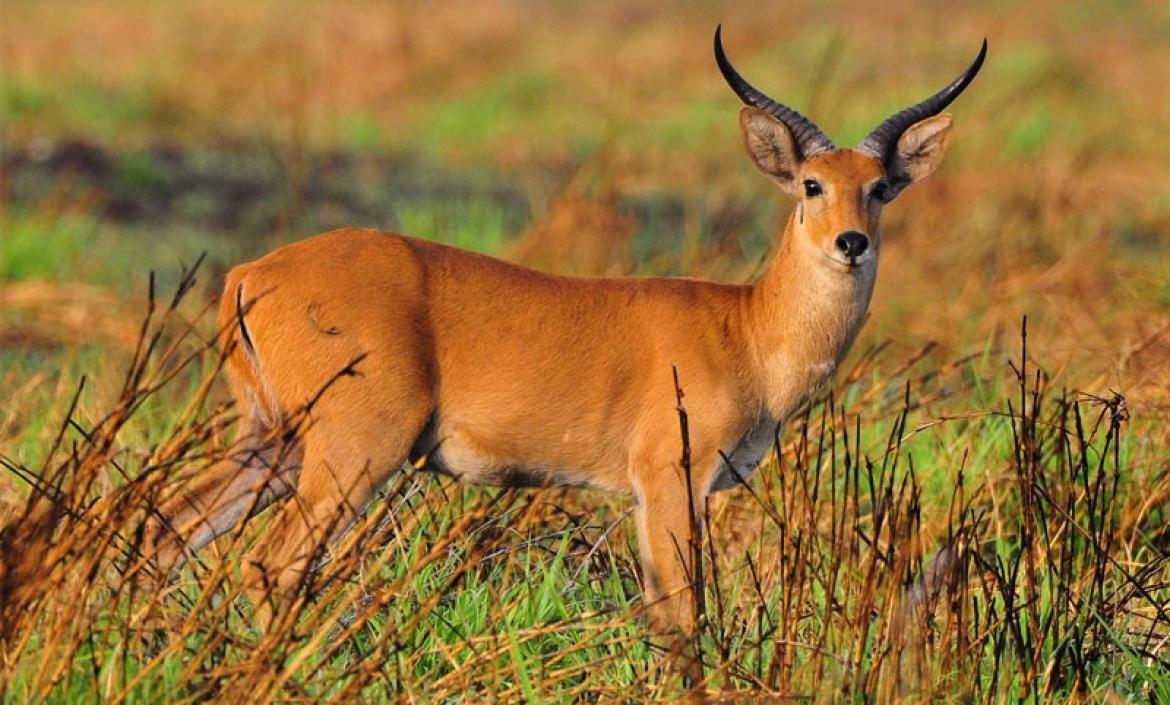
Swayne’s hartebeest is the principal wildlife attraction of Maze National Park. This distinctive antelope is recognised by its elongated face, curved horns and characteristic upright appearance. It is particularly adapted to open grassland environments. The species is endangered, making the protection of its remaining natural populations extremely important. For international wildlife enthusiasts, observing Swayne’s hartebeest in its natural Ethiopian habitat is a particularly meaningful experience.
2. African buffalo
African buffalo are powerful herbivores that may be encountered in suitable habitats. They should always be observed from a safe distance, following the instructions of park scouts.
3. Waterbuck and kudu
Waterbuck and kudu are among the antelope species associated with the park’s habitats. They may be observed grazing in open areas or moving through woodland vegetation.
4. Warthogs and other mammals
Warthogs, baboons and other smaller mammals add to the diversity of wildlife that visitors may encounter.
5. Predators
Lions, leopards, hyenas and other carnivores have been reported in the wider ecosystem. However, sightings are unpredictable and should never be guaranteed.
6. Birdlife
Maze is also an attractive destination for birdwatchers. Its grasslands, woodland and riverine vegetation support a variety of bird species, including birds of prey, kingfishers and water-associated birds. The South Ethiopia Tourism Bureau reports approximately 196 recorded bird species in the park.
Best activities in Maze National Park
Visitors can enjoy several activities depending on park access and local arrangements.
- Wildlife game drives: Explore suitable tracks in a 4×4 vehicle while searching for antelopes, buffalo, warthogs and other mammals
- Swayne’s hartebeest observation: Spend time in appropriate grassland habitats searching for this endangered Ethiopian antelope
- Birdwatching: Discover the park’s birdlife with the assistance of knowledgeable local guides
- Wildlife photography: Capture mammals, birds, vegetation and changing landscapes
- Nature exploration: Learn about the park’s different habitats and their importance to wildlife conservation
- Bilbo hot springs: Consider visiting this natural attraction when access and local arrangements permit.
Recommended experience: Plan early-morning and late-afternoon wildlife activities to make the most of cooler temperatures and favourable photographic light.
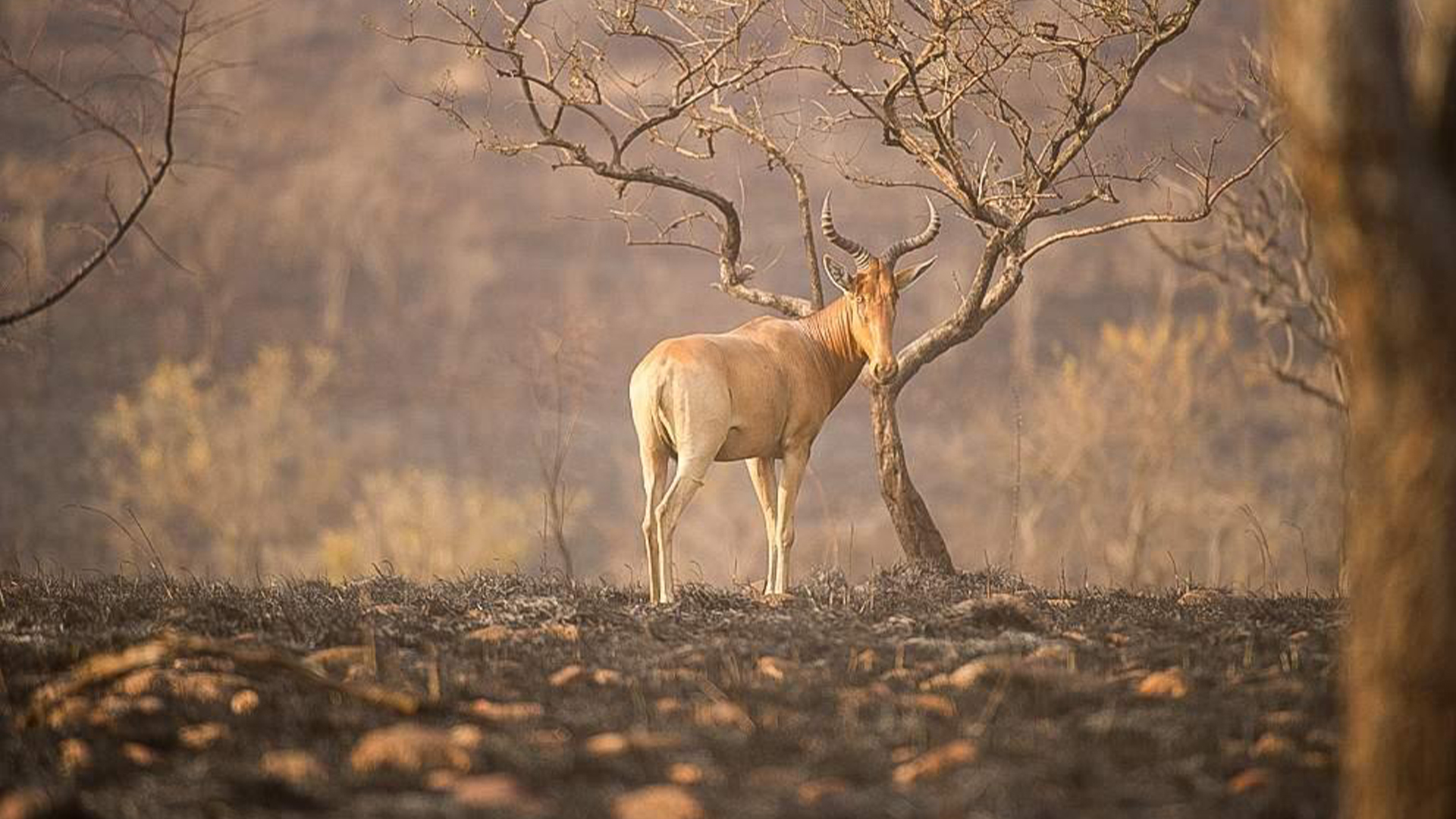
Explore Maze as part of a wider Ethiopian wildlife expedition
For travellers interested in exploring Maze alongside other wilderness destinations, we recommend our 12-Day Ethiopia Untamed Landscapes, Wildlife & Wild Coffee Forests Expedition. This expedition includes dedicated time in Maze National Park, Chebera Churchura National Park, Kafa’s wild coffee forests and Arba Minch, offering a more comprehensive experience of southwestern Ethiopia.
3. Chebera Churchura National Park: Explore Ethiopia’s Elephant Wilderness
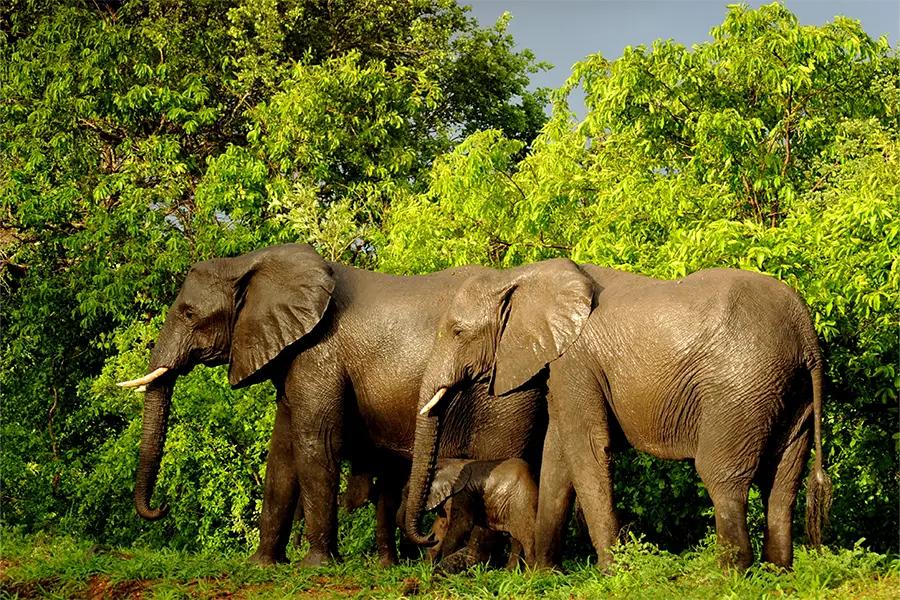
Chebera Churchura National Park is one of Ethiopia’s most interesting destinations for wildlife and nature enthusiasts. Located in southwestern Ethiopia, the park protects a diverse natural environment consisting of woodland, riverine forest, grasslands, wetlands and waterways. Its African elephant population is one of its most important wildlife attractions. Unlike open savanna safari destinations, where animals may be visible from a considerable distance, Chebera Churchura offers a more immersive wilderness experience. Thick vegetation can make wildlife difficult to locate. Visitors may need to rely on the experience of local scouts, observe animal tracks, listen for movement and explore different habitats patiently. This makes the park particularly attractive to experienced wildlife travellers and photographers who appreciate the excitement of searching for animals in their natural environment.
The natural beauty of Chebera Churchura
The park’s landscapes are characterised by a combination of forest, woodland, grassland and water. Riverine vegetation creates shaded corridors along waterways, while open grasslands provide feeding grounds for herbivores. Forested sections provide shelter for primates, birds and other wildlife. Its rivers, wetlands and smaller water bodies contribute to the diversity of the ecosystem. Chebera Churchura is an excellent destination for travellers who want to discover Ethiopia’s forest wildlife and experience a less commercialized safari environment.
Wildlife you may encounter in Chebera Churchura
- African elephants
African elephants are among the most important animals associated with Chebera Churchura. Observing these magnificent mammals in their natural habitat is one of the main reasons travellers visiting the park. Depending on wildlife movements and local conditions, visitors may have opportunities to observe elephants during guided wildlife drives or authorised tracking activities. Elephants frequently move through thick vegetation, and their locations can change considerably.Experienced park scouts may interpret signs such as footprints, dung, feeding marks and broken branches to understand recent elephant movements. Elephant sightings are never guaranteed, and responsible wildlife observation must always take priority over close encounters or photography.
2. African buffalo
Buffalo inhabit the park’s wider ecosystem and may be observed in suitable grassland and woodland habitats.
3. Hippopotamuses
Hippos are associated with suitable waterways and aquatic habitats. They are fascinating animals to observe, but visitors must maintain safe distances and follow local guidance around water.
4. Greater and lesser kudu
These antelopes are associated with woodland habitats and can be challenging to photograph when moving through thick vegetation.
5. Bushpigs and giant forest hogs
These mammals are of particular interest to wildlife enthusiasts. Their elusive behaviour and forest habitats make sightings less predictable.
6. Primates
Monkeys, including colobus and vervet monkeys in appropriate habitats, may be encountered in forested areas.
7. Lions and leopards
These predators have been reported in the park’s ecosystem. However, they are elusive, and sightings should be considered possible rather than expected.
8. Birds and other wildlife
The park’s different habitats support a diverse bird community, alongside reptiles, insects and other wildlife.
Elephant tracking: A memorable wilderness experience
One of the most interesting activities associated with Chebera Churchura is guided elephant tracking. Unlike a conventional game drive, tracking can involve walking through suitable areas with authorised park scouts who understand the landscape and local wildlife behaviour.
During the activity, scouts may interpret:
- Elephant footprints and tracks
- Broken branches and feeding marks
- Fresh dung and other signs of animal movement
- Vegetation changes caused by wildlife activity
- Sounds and movement within the forest.
The objective is to understand elephant behaviour and locate suitable wildlife viewing opportunities without disturbing the animals. Elephant tracking must only take place with authorized park personnel, under park regulations and with strict attention to safety.
What activities can visitors enjoy?
Depending on park access, weather and available arrangements, visitors may enjoy:
- Guided wildlife drives
- Authorized elephant-tracking activities
- Bird watching
- Guided nature walks
- Forest and riverine habitat exploration
- Landscape and wildlife photography
- Learning about conservation and the work of local park scouts.
Choose your Chebera Churchura safari itinerary
Aman Ethiopia Tours & Travel offers several published itineraries that connect Chebera Churchura with different experiences.
- 3 Days Chebera Churchura National Park Tour from Jimma: A focused wildlife trip for travellers with limited time.
- 3 Day Maze & Nech Sar National Parks Wildlife Safari
- 4 Days Ethiopian Safari & Coffee Origin Experience: Combine wildlife exploration with Kafa’s coffee-growing heritage and traditional coffee experiences.
- 5 Days Chebera Churchura & The Coffee Origin (Keffa) Tour: Discover elephant country, forest landscapes and the birthplace of wild Arabica coffee.
- 6 Days Chebera Churchura & Gambella National Parks: A combined safari exploring two distinctive protected landscapes.
- 6 Days Chebera Churchura & Hallala Kella: Combine wilderness exploration with the scenic highlands of southwestern Ethiopia.
- 7-Day Ethiopian Nature, Coffee Origin Experience & Safari Tour
- 8 Days Surma Culture, Coffee Highlands & Safari: An extended journey combining nature, coffee and cultural experiences.
4. Maze & Chebera Churchura: Which National Park Should You Visit?
Both parks offer memorable wildlife experiences, but their landscapes and principal attractions are different.
| Feature | Maze National Park | Chebera Churchura |
| Main attraction | Swayne’s hartebeest | African elephants |
| Landscape | Savanna and grassland | Forest, woodland and wetlands |
| Wildlife focus | Antelope and open-country wildlife | Elephants and forest wildlife |
| Main activities | Game drives and birdwatching | Wildlife drives and authorised tracking |
| Photography | 2–3 days | 3–4 days |
| Suggested stay | Savanna wildlife and landscapes | Forest wildlife and elephants |
For the most comprehensive wildlife experience, we recommend visiting both parks as part of a longer southwestern Ethiopia expedition.
5. Best Time to Visit Maze and Chebera Churchura National Parks
Choosing the right season is important when planning a wildlife safari in southwestern Ethiopia. Weather conditions influence road accessibility, vegetation, wildlife movements, photography opportunities and the availability of accommodation. The parks can be visited at different times of the year, but the experience may change considerably depending on rainfall and local conditions.
October to November: Green landscapes and changing conditions
Following the main rainy season, the countryside often remains green and attractive.
This period can offer:
- Beautiful landscape photography.
- Opportunities for birdwatching.
- Lush vegetation and flowing waterways.
- Interesting views of the countryside and agricultural landscapes.
However, some internal park tracks may remain muddy, and dense vegetation can make certain animals more difficult to observe.
December to February: A strong period for wildlife exploration
Recommended planning period
December, January and February are generally attractive months to consider for wildlife-focused journeys. During drier conditions, some internal roads and park tracks may become easier to access, while reduced vegetation in suitable areas can improve wildlife visibility. In Maze, visitors can search open grassland habitats for Swayne’s hartebeest and other wildlife. In Chebera Churchura, travellers may have opportunities to explore forest edges, woodland, rivers and other habitats with local park personnel. For first time visitors interested in combining both parks, December to February is a good starting point for planning.
March to May: Warm weather and seasonal transitions
March to May can offer attractive opportunities for nature photography and wildlife exploration, particularly before heavier rainfall affects access. Travellers should prepare for warm temperatures, use appropriate sun protection and plan early-morning activities. Road conditions should be checked before departure.
June to September: The green season
The rainy season transforms many parts of southwestern Ethiopia into lush green landscapes.
This period may appeal to:
- Nature photographers.
- Birdwatchers.
- Visitors interested in green landscapes.
- Travellers who enjoy exploring less-frequented destinations.
However, heavy rainfall can affect rural roads, internal park tracks and accommodation access.
Our travel recommendation
For travellers prioritizing wildlife observation and relatively straightforward road access, December to February is a good period to consider, subject to actual conditions. The South Ethiopia Tourism Bureau also identifies the dry months from October to May as a suitable general visiting period for Maze National Park. Aman Ethiopia Tours & Travel confirms seasonal conditions, road accessibility and park arrangements before finalising each safari itinerary.
6. How Many Days Do You Need?
The number of days depends on your starting location, preferred transport, wildlife interests and how much time you want to spend exploring. These parks are remote, and driving distances do not always reflect actual travel times.
Maze National Park: 2–3 days
Two days can provide a useful introduction when travelling from the Arba Minch area.
A suggested arrangement:
- Day 1: Travel towards Maze, complete park-entry arrangements and enjoy an afternoon wildlife drive if conditions permit.
- Day 2: Early-morning wildlife observation, birdwatching and an optional visit to Bilbo hot springs where accessible.
- Day 3: Optional additional wildlife exploration and onward travel.
For visitors travelling from Addis Ababa by road, additional travel time is advisable.
Chebera Churchura National Park: 3–4 days
A three-day visit can provide a starting point for exploring the park, depending on the arrival and departure arrangements.
- Day 1: Travel towards Chebera Churchura and complete local arrangements.
- Day 2: Wildlife exploration, game drives and authorised tracking opportunities.
- Day 3: Additional wildlife observation, birdwatching and onward travel.
Four days allows more flexibility for photography, guided nature exploration and searching for elephants.
Both parks together: 10–12 days recommended
Although shorter combined journeys may be discussed, we recommend allowing more time when the main objective is to explore both destinations properly. Our 12-Day Expedition through Ethiopia’s Untamed Landscapes, Wildlife & Wild Coffee Forests is particularly suitable for this purpose.
The itinerary includes:
- Gambella National Park
- Mizan and Masha forest landscapes
- Kafa wild coffee forests
- Chebera Churchura National Park
- Maze National Park
- Arba Minch and Nech Sar National Park
- Lake Chamo boat safari.
The published itinerary allocates separate days to Chebera Churchura and Maze rather than trying to rush both destinations into a short visit.
7. Discover More along the Way: Southwestern Ethiopia’s Hidden Attractions
One of the greatest advantages of travelling through southwestern Ethiopia is the opportunity to experience more than wildlife. The journey connects natural landscapes, coffee-growing regions, traditional communities, local markets and historic destinations. Many international visitors begin their journey in Addis Ababa, Ethiopia’s capital.
Before travelling southwest, visitors may explore:
- The National Museum of Ethiopia
- Holy Trinity Cathedral
- Entoto Mountains
- Traditional coffee houses
- Local markets and cultural attractions.
Aman Ethiopia Tours & Travel can arrange airport transfers, accommodation, city tours and onward travel.
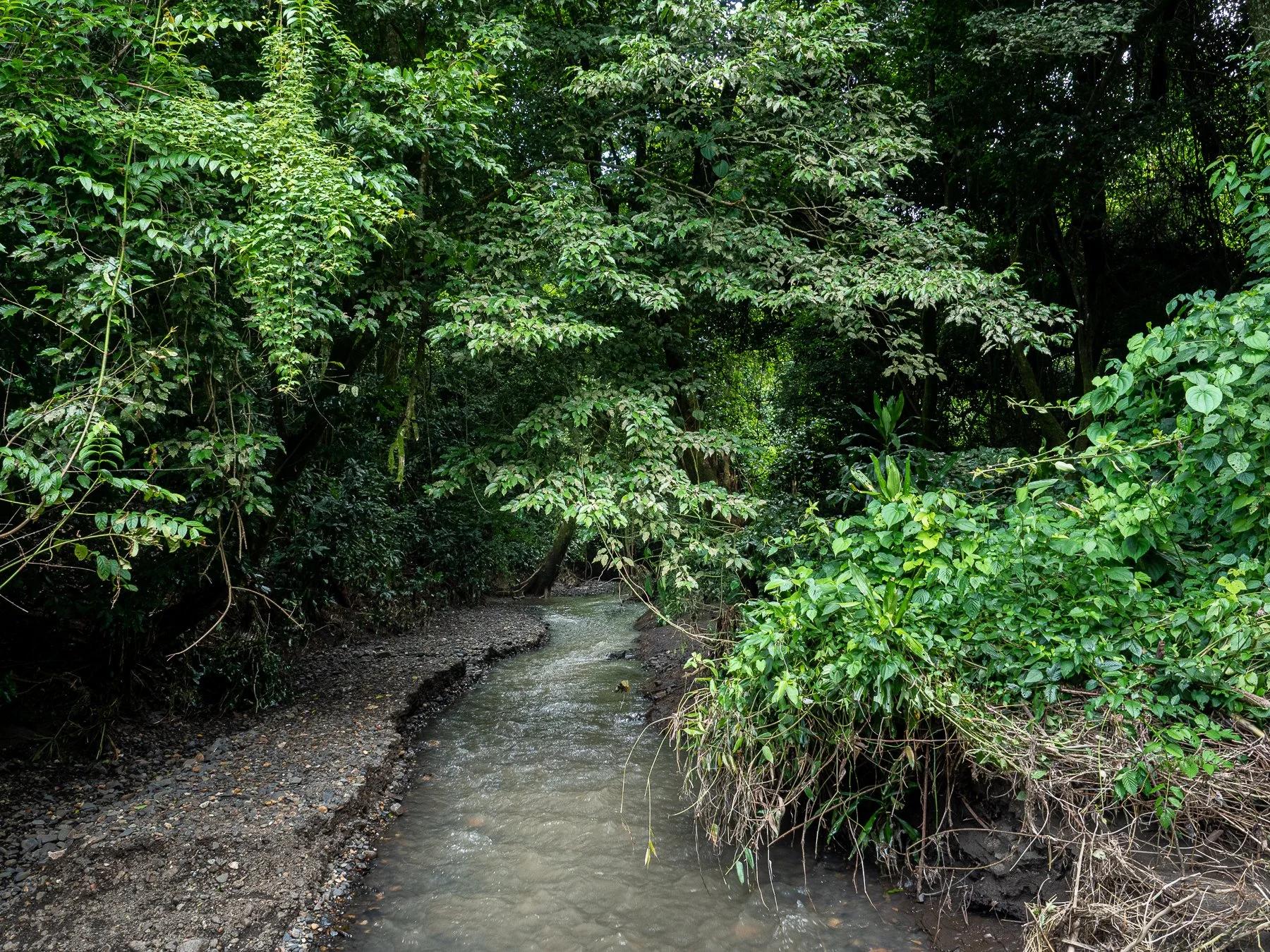
Jimma is an important gateway for journeys towards Chebera Churchura. The wider region is closely connected with Ethiopian coffee heritage and traditional agricultural practices. Visitors may explore local coffee culture, traditional markets and the historic heritage of the former Kingdom of Jimma.
Where opening arrangements permit, a visit to the Abba Jifar II Palace can add a historical dimension to the journey. Jimma is also a useful overnight stop for selected Chebera Churchura itineraries. Kafa is one of the most fascinating additions to a southwestern Ethiopia wildlife journey. The region is internationally associated with wild Arabica coffee and forest biodiversity.
Walking through a natural coffee growing forest with a knowledgeable local guide provides opportunities to learn about:
- Wild coffee plants growing beneath forest canopies
- Traditional coffee harvesting
- Coffee processing and preparation
- Local farming practices
- Forest conservation and biodiversity
- The relationship between coffee and community livelihoods.
Visitors can also enjoy a traditional Ethiopian coffee ceremony and experience locally prepared coffee. For travellers interested in both wildlife and coffee, Kafa adds a distinctive cultural and natural experience to the safari. The Masha area offers opportunities to explore the forested landscapes of southwestern Ethiopia. Its green surroundings, rural communities and natural vegetation create a different atmosphere from the open savannas of Maze.
For travellers interested in nature photography and forest ecosystems, this part of the journey can be particularly rewarding. Arba Minch is one of the most useful gateways for exploring southern Ethiopia. The town is known for its scenic position between Lake Abaya and Lake Chamo, with surrounding hills and beautiful Rift Valley landscapes.
Possible additional experiences include:
- Boat excursions on Lake Chamo, subject to operating conditions
- Nech Sar National Park
- Wildlife and birdwatching
- Scenic viewpoints
- Dorze cultural experiences
- Local markets and traditional food.
Arba Minch is an excellent destination to add before or after a Maze National Park safari. For a broader southern Ethiopia experience, explore our 9-Day Omo Valley Tribal Experience.
Why include these destinations?
The journey through southwestern Ethiopia is about more than travelling between two national parks. It introduces visitors to the relationship between wildlife, forests, coffee, traditional agriculture and local communities. For many international visitors, these experiences become some of the most memorable parts of an Ethiopian adventure.
8. Accommodation: Where to Stay During Your Wilderness Safari
Accommodation is an important part of planning a trip to remote wildlife destinations. Travellers should understand that Maze and Chebera Churchura do not offer the same extensive range of luxury safari lodges found in some of Africa’s established safari destinations. The available facilities may vary according to location, operating arrangements and season.
Accommodation around Maze National Park
Depending on the route and availability, visitors may stay in:
- Local hotels and guesthouses in nearby towns
- Accommodation near the park where operating facilities are available
- Authorised camping locations
- More comfortable hotels in Arba Minch before or after the safari.
Staying closer to the park can make early-morning wildlife activities easier, while accommodation in a nearby town may offer additional facilities.
Accommodation around Chebera Churchura
Accommodation options may include:
- Basic park-area accommodation where available
- Authorised camping arrangements
- Hotels and guesthouses in nearby towns
- Jimma accommodation before or after the park visit, depending on the route.
Travellers should confirm electricity, water, meals, mobile network coverage and other facilities before booking.
What level of comfort should you expect?
A wilderness expedition can be rewarding without requiring luxury accommodation every night. At Aman Ethiopia Tours & Travel, we help travellers’ select suitable accommodation according to their expectations, budget and route. All accommodation arrangements should be reconfirmed before travel because facilities and availability in remote areas can change.
9. Is It Safe to Visit Maze and Chebera Churchura National Parks?
Safety is an important consideration when exploring remote wildlife destinations. Visitors should prepare for wildlife hazards, changing weather, long road journeys and limited services in some locations.
Wildlife safety
Wild animals are unpredictable, even when they appear calm.
During wildlife activities:
- Follow the instructions of authorised park scouts and guides
- Remain inside the vehicle unless permission is given to leave
- Walk only in approved areas with authorised personnel
- Never approach elephants, buffalo or hippos independently
- Do not feed or attempt to attract wildlife
- Maintain appropriate viewing distances
- Avoid unnecessary noise and disturbance.
At Chebera Churchura, elephant tracking must be conducted with authorised park personnel and in accordance with park regulations.
Road safety
Some roads leading towards the parks may be rough or affected by seasonal rainfall. A suitable 4×4 vehicle, an experienced driver and sufficient travel time are important. We recommend avoiding tight connections after long overland journeys.
Health preparation
Before departure, travellers should consult a qualified travel-health professional regarding recommended vaccinations, malaria prevention and other destination-specific health precautions.
Useful personal items include:
- Insect repellent
- Sunscreen
- Personal medication
- A basic first-aid kit
- Suitable drinking water
- Comfortable walking shoes
- Sun protection and appropriate clothing.
Current local conditions
Security conditions, road access, and park operating arrangements may change. Travellers are advised to check the latest government travel advisories and ensure that their travel insurance covers all planned activities and destinations. Aman Ethiopia Tours & Travel reviews local conditions and park arrangements before each departure. If circumstances make a planned route unsuitable, we will discuss appropriate alternatives with our clients to help ensure a safe and enjoyable journey.
Why Choose Aman Ethiopia Tours & Travel?
Exploring remote national parks requires more than booking a vehicle and travelling to a destination. Good planning, local coordination, suitable accommodation and experienced guides can make a considerable difference to the overall experience.
At Aman Ethiopia Tours & Travel, we organise wildlife safaris, nature expeditions, cultural journeys and tailor-made holidays across Ethiopia. Our aim is to create meaningful travel experiences that connect visitors with Ethiopia’s natural and cultural heritage.
Local knowledge and destination coordination
Our team helps coordinate important arrangements, including:
- Transport and 4×4 vehicles
- English-speaking tour guides
- Local park arrangements
- Authorised wildlife scouts where required
- Accommodation planning
- Route selection and travel schedules
- Airport transfers and domestic travel arrangements.
Flexible private and group tours
We understand that every traveller has different interests and expectations. Some visitors prefer a private safari with flexible photography opportunities, while others enjoy travelling in small groups. We can discuss suitable arrangements based on travel dates, budget, group size and preferred accommodation.
Wildlife, coffee and cultural experiences
A journey with Aman Ethiopia Tours & Travel can combine:
- Maze National Park wildlife observation
- Chebera Churchura elephant exploration
- Kafa wild coffee forest experiences
- Birdwatching and nature photography
- Local coffee ceremonies
- Traditional markets and rural communities
- Arba Minch and Lake Chamo
- Additional destinations according to your schedule.
Responsible tourism
We believe wildlife should be observed responsibly, local communities should be respected, and protected natural environments should be preserved for future generations. Our trips encourage responsible photography, respect for local customs and compliance with park regulations.
For more information, browse our Ethiopia multi-day tours and tailor-made journeys.
10. What Should You Pack for a Maze and Chebera Churchura Safari?
Proper preparation makes a wildlife journey more comfortable and enjoyable.
Clothing
- Lightweight, breathable shirts and trousers
- Neutral coloured clothing such as khaki, olive, brown and green
- Long-sleeved shirts for protection against insects and vegetation
- Comfortable walking shoes or hiking boots
- A hat and sunglasses
- A lightweight rain jacket during transitional and rainy seasons.
Photography and wildlife equipment
- Binoculars
- Camera with a suitable wildlife lens
- Spare batteries and memory cards
- Camera charging equipment
- A small daypack.
Health and personal supplies
- Insect repellent
- Sunscreen
- Personal medication
- Basic first-aid supplies
- Reusable water bottle
- Hand sanitizer
- Personal hygiene supplies.
Practical travel documents
- Passport and relevant travel documents
- Travel insurance information
- Some local currency for expenses
- Offline maps and important contact details
- Emergency contact information.
Our team will advise you about any additional equipment required for your particular itinerary, especially if your safari includes guided walks or camping.
11. Who Should Visit Maze and Chebera Churchura?
These destinations are particularly suitable for travellers who appreciate nature, wildlife and less-visited African landscapes. Wildlife photographers: Explore opportunities to photograph elephants, antelopes, birds and beautiful natural environments. Birdwatchers: Discover different bird habitats, from open grasslands to forest and wetlands. Nature enthusiasts: Learn about Ethiopia’s ecosystems, biodiversity and wildlife conservation. Adventure travellers: Experience remote destinations, guided nature exploration and wilderness travel. Couples and private travellers: Enjoy tailor-made journeys with flexible schedules and personalised arrangements.
Experienced African travellers: Discover a different side of Ethiopia beyond the country’s more established historical and cultural routes. Conservation-minded visitors: Learn about the importance of protected areas and responsible wildlife observation. These destinations are less suitable for visitors expecting guaranteed animal sightings, extensive luxury accommodation or very short road transfers. The best safari experience comes from allowing sufficient time for nature and accepting that wildlife follows its own schedule.
12. Frequently Asked Questions about Maze and Chebera Churchura National Parks
Is Maze National Park worth visiting?
Yes. Maze is particularly important for its endangered Swayne’s hartebeest, open savanna habitats, birdlife and opportunities for wildlife photography.
What is Chebera Churchura National Park famous for?
The park is particularly known for African elephants, forests, woodland habitats, rivers and diverse wildlife.
Can I see elephants in Chebera Churchura?
Elephants are one of the park’s main attractions. Guided wildlife exploration and authorised tracking can provide opportunities to observe them, but sightings are never guaranteed.
Can I see Swayne’s hartebeest in Maze National Park?
Maze is one of the most important protected habitats for Swayne’s hartebeest. Wildlife observation depends on animal movements, location, season and viewing conditions.
Can I visit both national parks on one trip?
Yes. Both parks can be included in a longer southwestern Ethiopia expedition. We recommend allowing approximately 10 – 12 days for a more comfortable combined journey.
What is the best time to visit Maze National Park?
October to May is a useful general planning period, with December to February particularly worth considering for wildlife – focused travel, subject to local conditions.
What is the best time to visit Chebera Churchura?
Drier months can make some routes and park tracks easier to access. December to February is a good period to consider, although wildlife sightings depend on seasonal movements.
How many days do I need for Chebera Churchura?
Allow at least three days for a focused visit, including travel arrangements. Four days can provide more flexibility.
Is accommodation available inside the parks?
Accommodation and camping facilities depend on the park’s current operating arrangements. Confirm availability and facilities before departure.
Do I need a 4×4 vehicle?
A suitable 4×4 is often advisable for remote roads and park tracks. Vehicle requirements depend on the route and season.
Is it safe to visit these national parks?
Safety depends on current local conditions, road access, weather and wildlife activity. Travellers should use experienced local support, follow park regulations and check current travel advice.
Can Aman Ethiopia Tours & Travel customise my safari?
Yes. We can discuss private and group arrangements according to your travel dates, interests, budget , group size and accommodation preferences.
How can I book a Maze and Chebera Churchura safari?
Contact Aman Ethiopia Tours & Travel directly to discuss your preferred itinerary. Our team can help with transport, accommodation, guides, park arrangements and a suitable travel schedule.
13. Discover More Ethiopia Wildlife and Safari Tours
Your wilderness experience does not have to end with Maze and Chebera Churchura. Aman Ethiopia Tours & Travel offers additional safari, nature and cultural itineraries across Ethiopia.
Explore some of our other travel experiences:
- Ethiopia Wildlife and Safari Tours – Discover wildlife destinations across Ethiopia.
- Ethiopia Multi-Day Tours – Explore different regions through carefully planned journeys.
- 9-Day Omo Valley Tribal Experience – Discover traditional communities and southern Ethiopia’s landscapes.
- 12-Day Ethiopia Untamed Landscapes Expedition – Experience Gambella, Kafa, Chebera Churchura, Maze and Arba Minch.
Whether you are looking for a short wildlife adventure, an extended photography expedition or a comprehensive Ethiopian nature safari, our team can help you find a suitable journey.
14. Discover Ethiopia’s Untouched Wilderness with Aman Ethiopia Tours & Travel
Ethiopia’s natural beauty extends far beyond its famous mountains, historic monuments and cultural destinations. In Maze National Park, visitors have the opportunity to search for the endangered Swayne’s hartebeest and explore the distinctive savanna landscapes of southwestern Ethiopia. In Chebera Churchura National Park, forests, rivers and woodland habitats create opportunities to discover African elephants and a remarkable variety of wildlife. Beyond the national parks, the journey reveals the forests of Kafa, traditional coffee-growing communities, rural landscapes and the scenic surroundings of Arba Minch.
These are destinations for travellers who appreciate discovery, responsible wildlife observation and authentic experiences beyond the usual safari routes. At Aman Ethiopia Tours & Travel, we are committed to organising memorable journeys through Ethiopia’s natural and cultural heritage. We combine local coordination, practical travel planning and personalised itineraries to help visitors discover the country’s remarkable destinations. Whether you have a few days for a focused wildlife safari or nearly two weeks for a broader wilderness expedition, we would be delighted to help you plan your journey.
Ready to Discover Ethiopia’s Untouched Wilderness?
Explore Maze National Park. Discover Chebera Churchura. Experience the wild beauty of Ethiopia with Aman Ethiopia Tours & Travel


