7 Days South Ethiopia Tour from Addis Ababa

duration

7 days

Transpotation

4W Drive

Tour Type

Private Tour

Group Size

4 people

7 Days South Ethiopia Tour from Addis Ababa

$2,220.00

Category:

Tour Name – 7 Days South Ethiopia Tour

No of Day/night – 7 Days & 6 Nights          

Mode of transportation – Car & Flight

Day 01-Mar 14, 2026 Fly Addis Ababa to Arba minch

You will meet our staff upon arrival from your international flight and after breakfast, take a domestic flight to Arba Minch and transferred to your hotel.  Begin to Visit Dorze people who are expert in weaving called Shammas Weaving are a primary profession for a number of Dorze people. The shape of their house looks Elephant, in order to remember the existence of these animals around the area many years ago. They are known for their traditional weaving of huts made out of local bamboo.  Enset “fake banana” is the stable food for these peoples.

Overnight Haile Resort Arba Minch

Day 02 – Mar 15, 2026 Drive Arba Minch – Konso – Turmi

After having your breakfast you will take a boat cruise on the

Lake Chamo, the third biggest Lake in Ethiopia you will have a boat trip to see the crocodiles, hippos & aquatic bird species. The northern shores of Lake Chamo are famous for its large crocodiles, which can be seen in numbers lounging in the heat. The lake is about 32km long and provides a lush wetland habitat for many species of flora and fauna. Visit and proceed southwards to visit

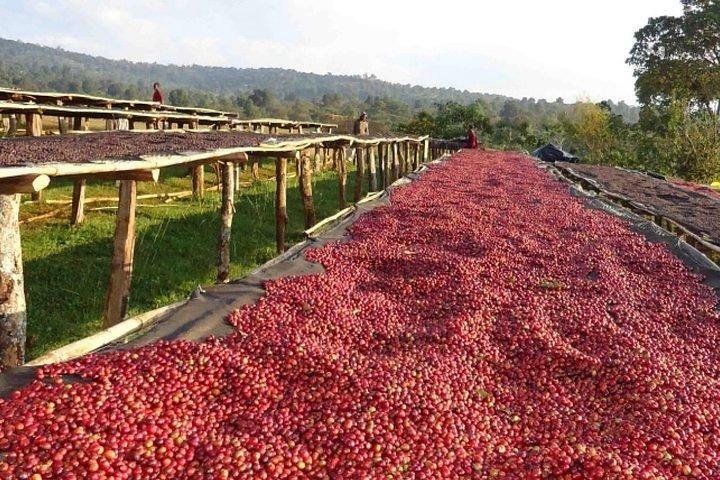
Konso village, one of the UNESCO site in Ethiopia know by their terracing in order to protect against soil erosion from the sporadic and often heavy rainfall in the region. The villages are encircled by one to six concentric rings of stone walls, mainly consisting of basalt boulders. The age of each town is classified by a generation pole and each family lives in compounds that are accessible only through gateways that require the visitor to enter on all fours thereby rendering any potential attackers vulnerable. One of the best types of coffee for the country is also from this village, later drive to Turmi.

Overnight Paradise Lodge in Turmi

Day 03 – Mar 16, 2026 Visit Arbore Tribes & drive to Turmi

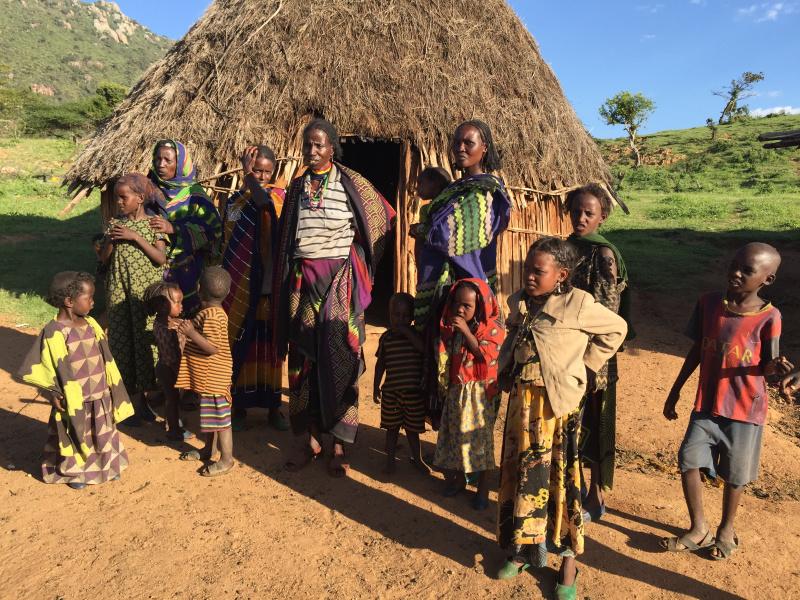
After breakfast you will drive to Arbore tribe, that living near Lake Chew bahir in hot and flat areas and mainly cattlemen. They are speaking their own language Arbore which is from the omotic language family. The Arbore men can have multiple wives with his first wife chosen by his father. Most Arbore children have shaved heads with the older girls often wearing a black cloth draped over their heads to protect from sun as well as a visual tradition to indicate they are unmarried virgins

Overnight Paradise Lodge in Turmi

Day 04 –Mar 17, 2026   Drive Turmi – Nyangatom tribe — Karo tribe – Turmi

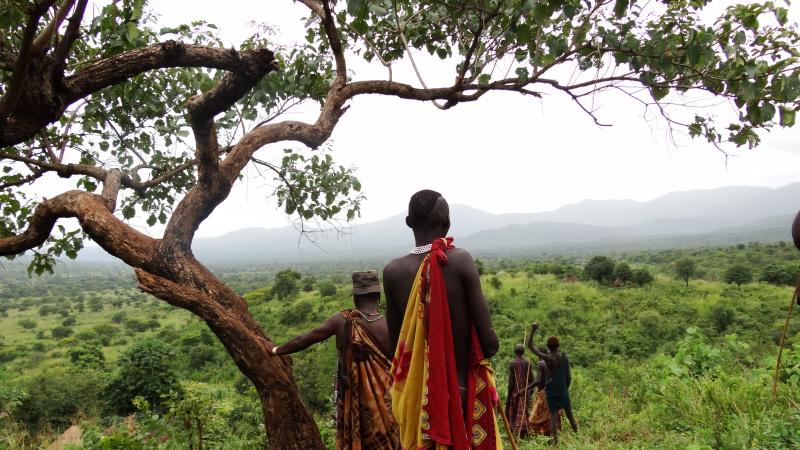
This morning, we continue through the savannah with shrubs and umbrella acacia trees.

Kangaten (Nyangatom tribe) To adore their long and lean bodies, the Nyangatom women wear numerous necklaces and long Skirts from goatskins that are richly decorated They are indeed fierce warriors which is supposedly demonstrated by their custom to scar their chest; one scar for each killed enemy. Herds of cows are their most valuable property. Later drive to Kolcho, the village of

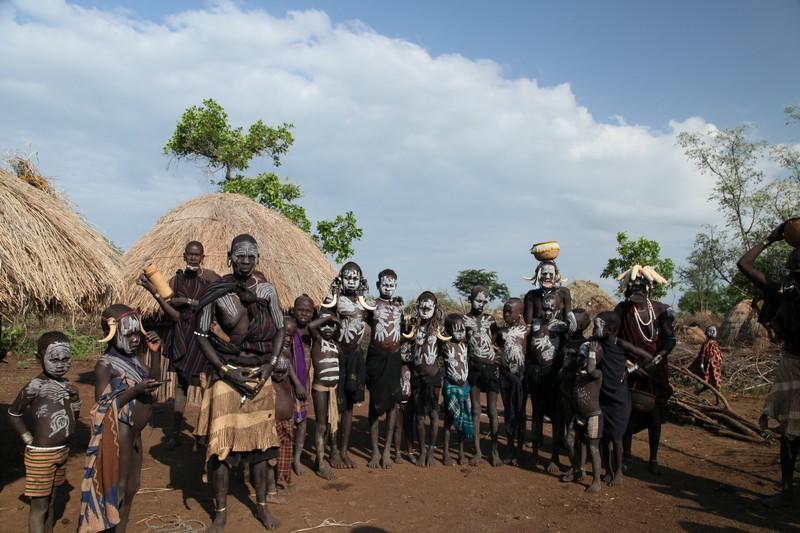
Karo people at the eastern bank of Omo River with beautiful views, Karo are famous for their intricate face and body painting practices, which they apply on their heads and torso before major events and on the weekly markets. Karo is the smallest tribes of the Omo Valley and Karo men also sculpts and shave their hair into extravagant shapes, with special ochre “caps” of hair usually containing several ostrich feathers.

Hammer Tribe, one of the most well-known ethnic groups of the Omo Valley. The Hammer people are famous for their rich cultural traditions and distinctive appearance. Hamar women traditionally wear decorated leather skirts adorned with shells, heavy iron necklaces, and copper bracelets that symbolize social status. Their hair is styled with a mixture of ocher and animal fat, giving it a unique reddish appearance. Men often decorate their hairstyles with clay and ostrich feathers to symbolize bravery and achievements in battle or hunting. The Hammer are also widely known for the traditional “bull jumping” ceremony, an important rite of passage marking a boy’s transition into adulthood.

Overnight Paradise Lodge in Turmi

Day 05 -Mar 18, 2026   Drive Turmi – Omorate – Turmi – Jinka

After breakfast at the hotel you will drive to Omorate to visit Dassanech Tribe located about 72 km from Turmi near the lower Omo River region. The Dassanech people are traditionally pastoralists, though many now practice a semi-nomadic lifestyle. They are recognized for their strong warrior culture and unique body scarification traditions. Men often display prominent scars across the chest and back, symbolizing courage and success in tribal conflicts and cattle raids. After lunch, drive toward Key Afer to experience

Mursi village, the Mursi women, like their Surma cousins, live on the other bank of the Omo River, are famous for their large round (and not only) lip plates worn by women. There are several theories of the wearing of lip plates: disfiguring to prevent enslavement by Arabs in antiquity; protection against the penetration of evil spirits into the body through the mouth; determination of social status, showing the amount of cattle that the groom must pay as a dowry for the bride owning the plate. Mursi are unsurpassed masters of scarification. The scars on their bodies symbolize social status and past merits. The scars are created by using a razor blade and camel thorn. To achieve a bulge, an ash or a fly larva is planted in the wound, which, among other things, eliminates all possible infections.

Overnight Eco Omo Lodge Jinka

Day 06-Mar 19, 2026 Visit Ari Tribes and Fly back to Addis Ababa

After breakfast at your hotel, you will visit the Ari people, the largest ethnic group in the lower Omo Valley. They live mainly in the fertile highlands around Jinka and are primarily settled farmers.

Their lifestyle and economy are based on agriculture, cultivating crops such as maize, sorghum, coffee, fruits, and false banana. Thanks to their productive land, they supply a significant portion of food to the wider Omo Valley region. In addition to farming, they practice livestock keeping and are known for their craftsmanship, including pottery, weaving, blacksmithing, and the distillation of traditional liquor. Ari homes are often beautifully decorated with natural materials like charcoal, clay, and ash, reflecting their rich cultural traditions. Later drive to Jinka airport for your flight back to Addis Ababa.

Overnight Aya Addis hotel Addis Ababa

Day 07– Mar 20, 2026 Addis Ababa City Tour & Departure

After breakfast, begin your exploration of Addis Ababa with visits to some of the city’s most iconic historical, cultural, and religious sites. The day includes the following highlights:

  • Entoto Maryam Church: Located on the Entoto Hills, this is one of the oldest Ethiopian Orthodox Tewahedo churches, built in 1877 by Emperor Menelik II. The church features traditional Ethiopian architecture with octagonal domes. Inside, you’ll find a collection of royal artifacts, including Emperor Menelik II and Empress Taytu’s crowns, ceremonial garments, their royal bed, and a mirror gifted to the Empress by Queen Victoria.
  • Entoto Hills: At an elevation of 2,900 meters above sea level, the Entoto Hills offer a stunning panoramic view of Addis Ababa. This area, once the capital before the city moved to its current location, holds great historical and spiritual significance.
  • Ethnological Museum: Situated within the main campus of Addis Ababa University, this museum is housed in the former palace of Emperor Haile Selassie. It offers a deep insight into Ethiopia’s diverse cultures, with exhibits covering anthropology, music, and traditional life. It is also recognized as the first university museum in Ethiopia.
  • National Museum of Ethiopia: One of the most important museums in sub-Saharan Africa, it showcases Ethiopia’s rich archaeological heritage. Here, you will find the world-famous fossil remains of Lucy (Australopithecus afarensis), as well as Selam, a remarkably complete child hominid fossil estimated to be 3.3 million years old.
  • Merkato: Conclude your day with a visit to Africa’s largest open-air market. Established during the Italian occupation in the late 1930s, Merkato spans several square miles and hosts over 7,000 businesses. It offers a dynamic experience of the city’s daily life, where you can find everything from spices and textiles to handmade crafts and electronics. At the evening you will be transferred to Addis Ababa Bole International Airport for your onward departure, taking with you unforgettable memories of Ethiopia’s diverse cultures, spectacular landscapes and remarkable tribal heritage. We wish you a pleasant journey home.


Included

  • Airport pickup/ drop off
  • Car with professional drivers
  • Daily unlimited bottle of water
  • English-speaking professional escort guide services
  • English-speaking professional guides
  • Entrance and scout fees
  • Hotel accommodation in one twin room and two single rooms with breakfast
  • Private vehicle with fuel and professional driver

Excluded

  • Alcohol drinks
  • Gratitude and personal expense
  • Lunches and dinners
  • Other personal expenses
  • Personal travel insurance
  • Tips for guides and drivers
  • Video and photographing fees
  • Visa and immigration fees

Cancellation Policy

At Aman Ethiopia Tour & Travel, we strive to provide flexibility and customer satisfaction. Our cancellation and booking policy combines standard, promotional, and flexible options to ensure a seamless experience for our clients.

Show more

Questions?

We’re here to help! If you have any inquiries about our tours, destinations, or custom packages, feel free to get in touch with us.

Product code: 37682

Contact us
×

Cart