A practical, first-hand guide to planning a journey through Ethiopia its rock-hewn churches, highland trekking, living cultures, and otherworldly landscapes from the team at Aman Ethiopia Tour & Travel.
Last updated: June 2026 · Written by the Aman Ethiopia Tour & Travel team
Most countries give you one headline experience. Ethiopia gives you a dozen, and they sit surprisingly close together. In a single trip you can stand inside a church carved 800 years ago straight down into solid rock, trek an escarpment where troops of gelada monkeys graze at 4,000 metres, share a plate of injera with a family in the south, and walk across a lava field that glows orange after dark. That range ancient, living, wild, all at once is the reason Ethiopia keeps turning up on “once in a lifetime” lists. This guide is the one we wish every traveler had before their first call with us. It covers where to go, what each region is genuinely good for, when to travel, and how to build an itinerary that fits your time and interests rather than a generic loop. Where a guided tour makes a particular route easier, we’ve linked ours but the aim here is to help you plan well, whoever you ultimately travel with.
Ethiopia at a glance
| Region | Horn of Africa / East Africa |
| Best time to visit | October to early June (dry season); peak is December–February |
| UNESCO World Heritage Sites | 12 — including Lalibela, Aksum, Fasil Ghebbi (Gondar), Simien & Bale Mountains |
| Top experiences | Rock-hewn churches, highland trekking, Omo Valley cultures, the Danakil Depression, the coffee ceremony |
| Trip length | 5–8 days for one region; 10–16 days to combine history, nature and culture |
| Languages | Amharic (official); English widely used in tourism |
Why visit Ethiopia?
Ethiopia rewards travellers who want depth over a checklist. It is one of very few places where ancient UNESCO World Heritage Sites, remote mountain trails, working markets and community-run cultural visits all sit inside one country and where the heritage is still alive rather than behind glass.
The churches of Lalibela are active places of worship, not ruins. Markets are where towns actually trade, not displays staged for visitors. And coffee which the world borrowed from here is a daily ritual of welcome rather than a souvenir. That is what people mean when they call Ethiopia “authentic”: the things you come to see are still being lived.
It suits history lovers, photographers, trekkers, birders and anyone whose idea of a good trip is closer to discovery than to a beach lounger. It asks a little more of you in logistics and pace and gives a great deal back.
Ethiopia’s best destinations
Here are the regions worth building a trip around, what each is best for, and the tours that make them easy to reach.
Lalibela the rock-hewn churches
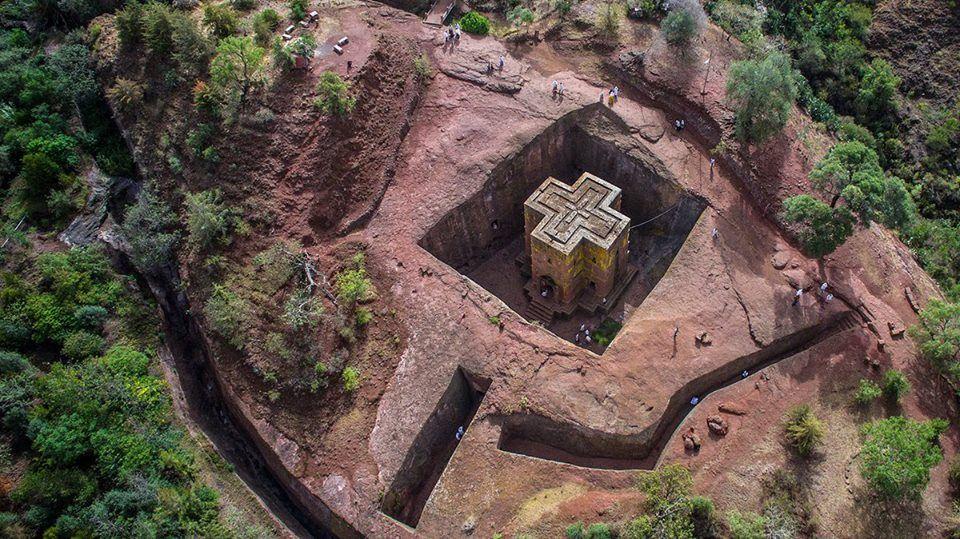
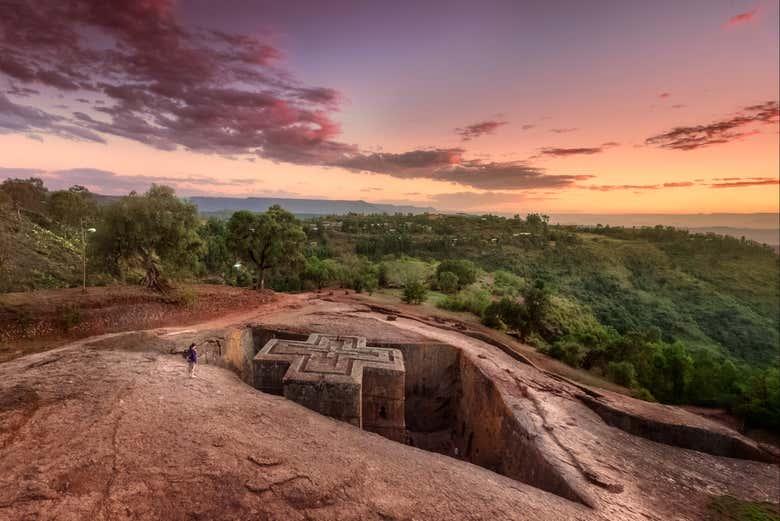
If you see one place in Ethiopia, make it Lalibela. Its eleven medieval churches were cut downward into volcanic rock in the 12th and 13th centuries not built up, but excavated and they remain a living pilgrimage centre. Arrive early and you’ll hear chanting drift up from courtyards where white-robed worshippers gather, especially around dawn. It is the rare monument that still does the job it was made for.
Best for: history, sacred architecture, photography and first-time visitors. It slots naturally into a wider northern loop with Aksum, Gondar and the Simien Mountains. If you can, time your visit for Genna (Ethiopian Christmas, 7 January), when thousands of pilgrims fill the churches.
Suggested tours:
- 8 Days Tour to the Historic Route of Ethiopia
- Ethiopian Timket Festival Tours
- 12 Days Ethiopian Easter & Cultural Discovery Journey
Gondar the royal city
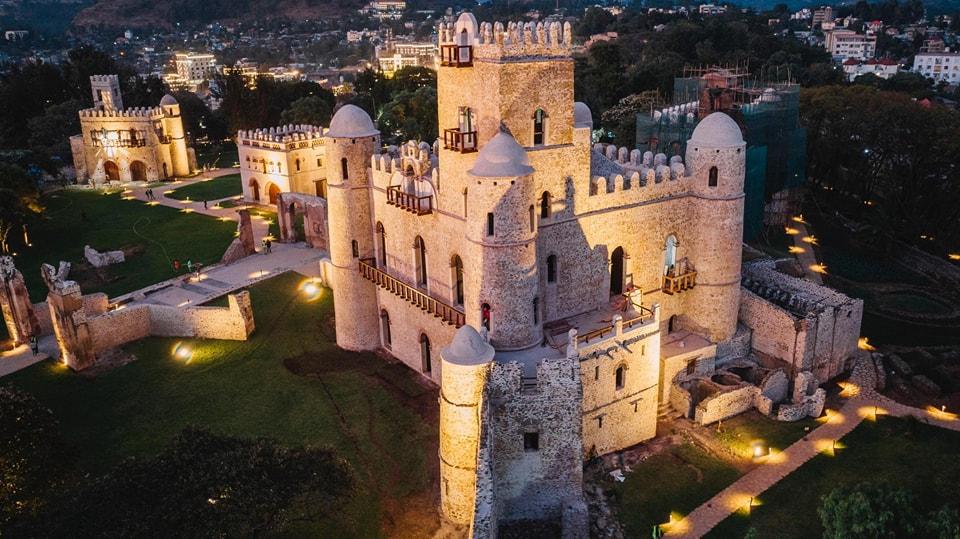
Often called the “Camelot of Africa,” Gondar was the capital of the Ethiopian Empire for more than two centuries. Its walled Fasil Ghebbi compound a UNESCO site holds a cluster of stone castles and palaces unlike anything else on the continent, and the ceiling of Debre Berhan Selassie church, painted with rows of winged angel faces, is one of the country’s most photographed interiors.
Gondar is also the usual gateway to the Simien Mountains, which makes it the smart pairing of history and trekking in the north.
Suggested tours:
- 7 Days Northern Ethiopia Tours
- Ethiopian Timket Festival Tours
- 11 Days Historic Route & Simien Trekking Adventure
Axum the ancient kingdom
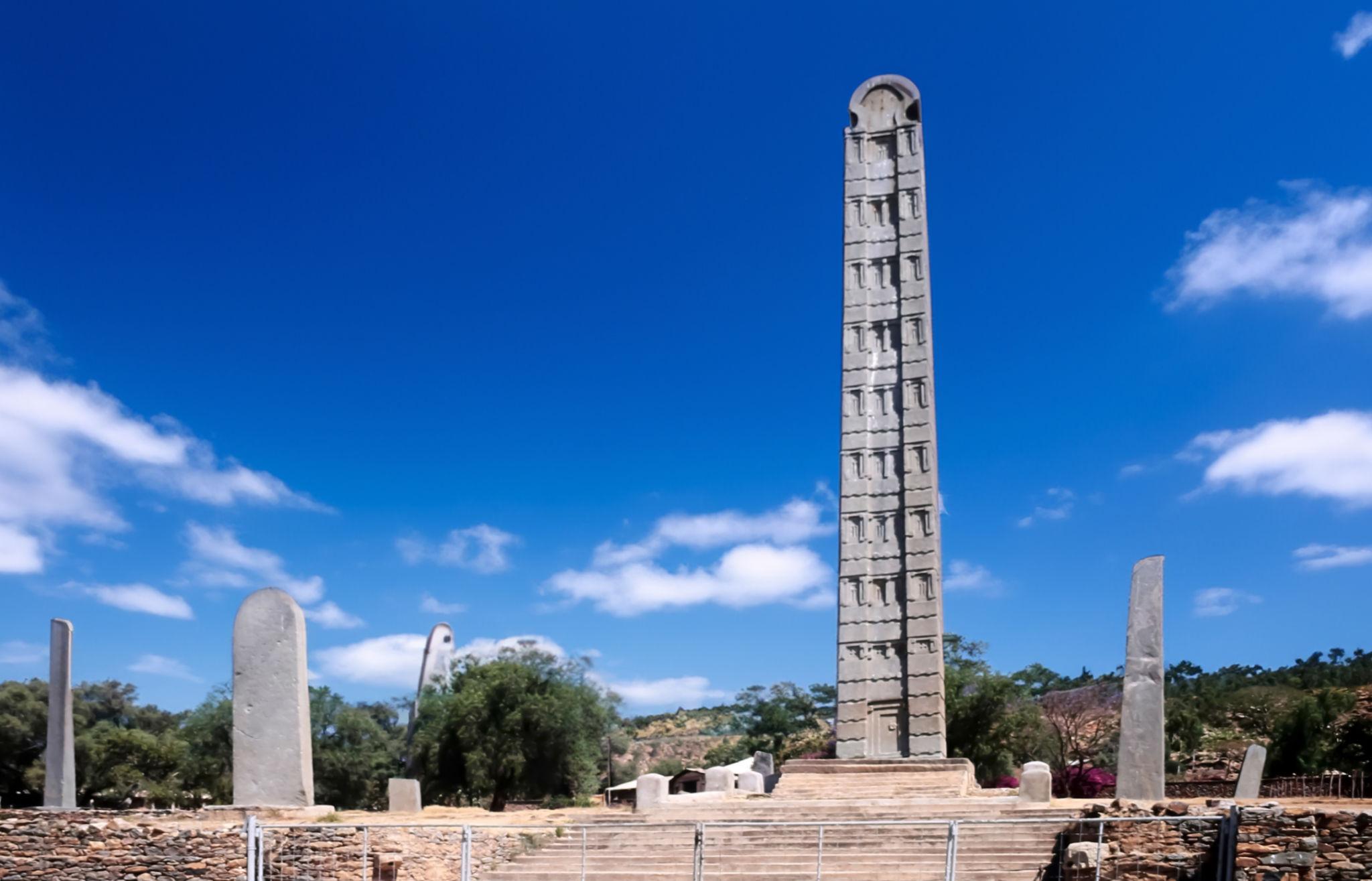
Axum was the heart of one of the ancient world’s great trading powers, a kingdom that minted its own coins and traded with Rome and India. Its towering granite Stelae carved obelisks, some toppled, the tallest still standing over 20 metres mark royal tombs, and the city is bound up with Ethiopia’s deepest religious traditions, including the belief that it houses the Ark of the Covenant.
For anyone drawn to ancient civilisations, Axsum is the essential stop on the Historic Route, and it combines well with Lalibela, Gondar and Simien trekking.
Suggested tours:
- Axum Tsion Festival Tours
- 10 Days Simien Mountains Trekking with Axum and Lalibela
- 8 Days Explore Northern Ethiopia Axum Tour
Simien Mountains – classic highland trekking
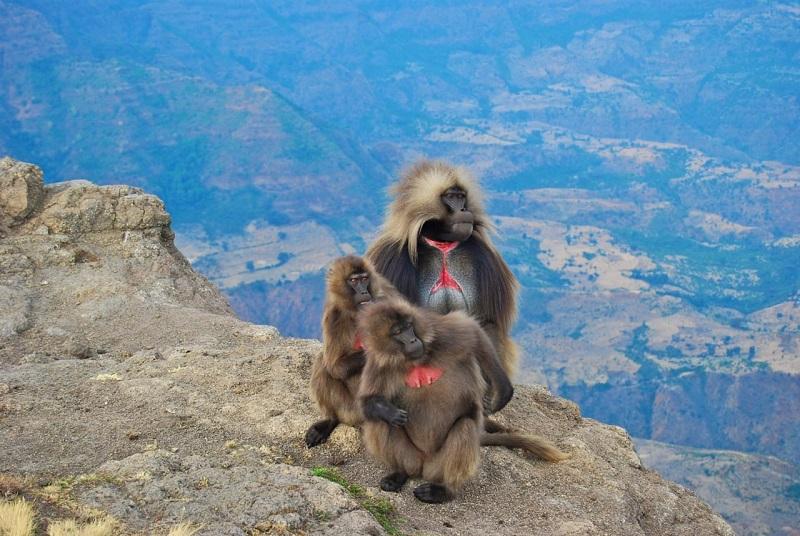
The Simien Mountains are Ethiopia’s great trekking landscape: a UNESCO-listed range of jagged escarpments, deep gorges and viewpoints that drop away for a thousand metres. You’ll likely share the trail with gelada monkeys the only grass-grazing primates on earth and, if you’re lucky, glimpse the rare walia ibex on the cliffs. Routes run from gentle day walks to multi day camping treks.
Suggested tours
- 10 Days Simien Mountains Trekking with Axum and Lalibela
- 11 Days Historic Route & Simien Trekking Adventure
Bale Mountains – wildlife and quiet wilderness
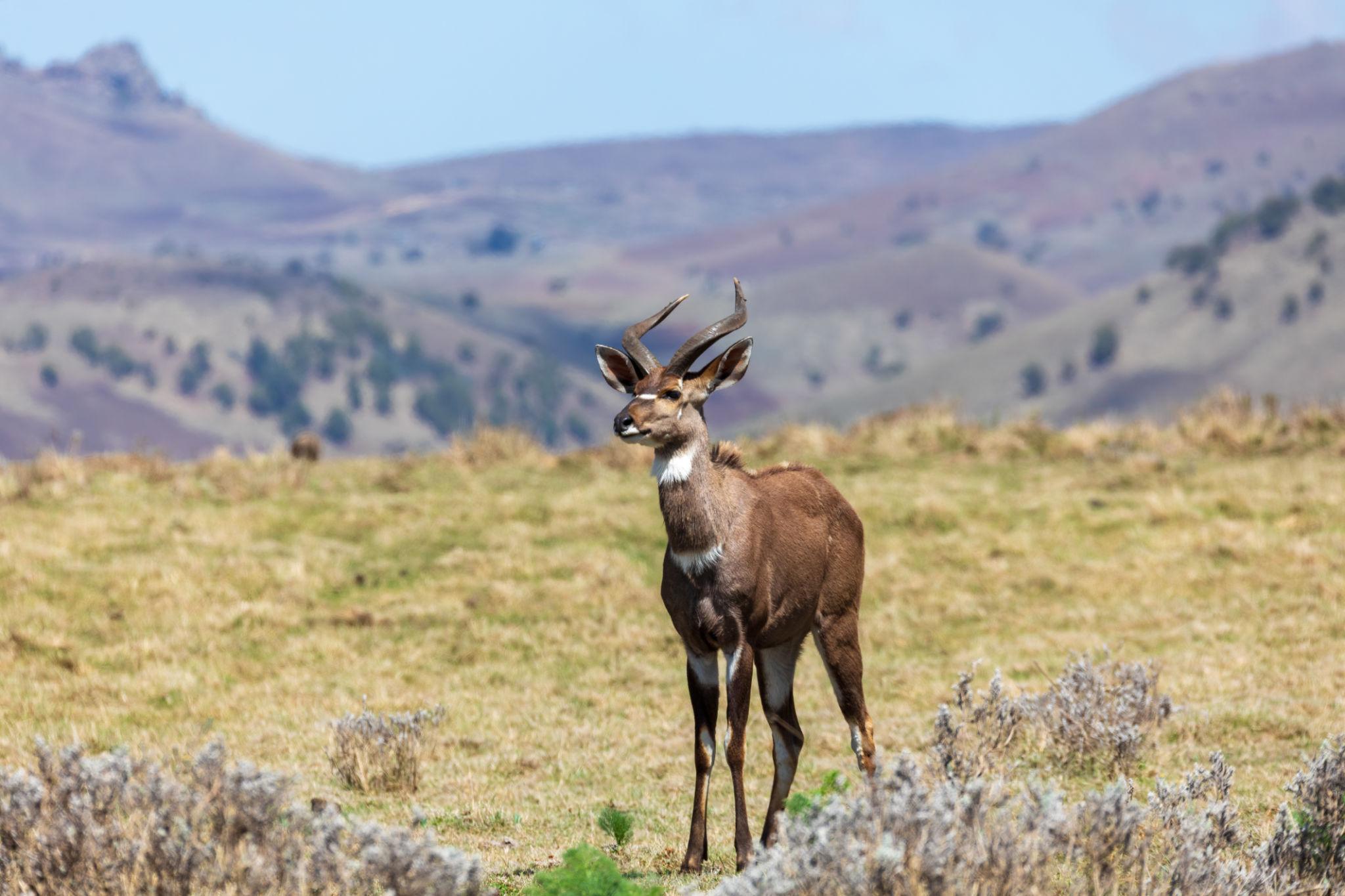
For wildlife and slower, quieter days, the Bale Mountains are hard to beat. The park sweeps from cloud forest up to the Sanetti Plateau, the largest stretch of Afro-alpine moorland in Africa, and it’s the best place on earth to see the Ethiopian wolf the world’s rarest canid, with only a few hundred left. Add the endemic mountain Nyala and superb birding, and Bale is the country’s premier eco-destination.
It links neatly with southern Ethiopia or a return through Addis Ababa for travellers combining nature with culture.
Suggested tours:
Omo Valley – living cultures of the south
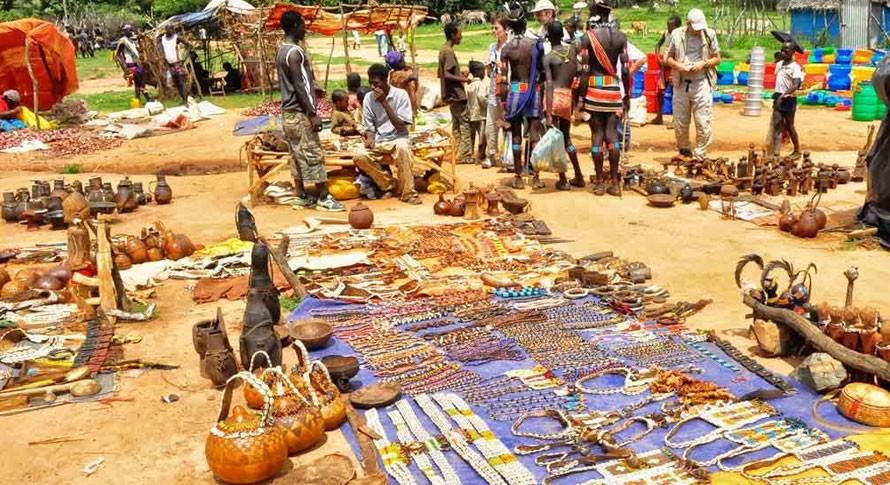
The Omo Valley is among the most culturally rich regions in Africa, home to many distinct communities whose dress, ceremonies, markets and pastoral life remain central to daily existence. It rewards travellers who come with curiosity and respect and time. The best visits are slow, locally guided and built around genuine encounters rather than quick photo stops.
A note on travelling well here: agree photography and fees through your guide, follow local lead, and treat market days as the highlight they are. Done right, the Omo Valley is immersive cultural travel at its best.
Suggested tours:
Danakil Depression – Ethiopia’s most extreme landscape
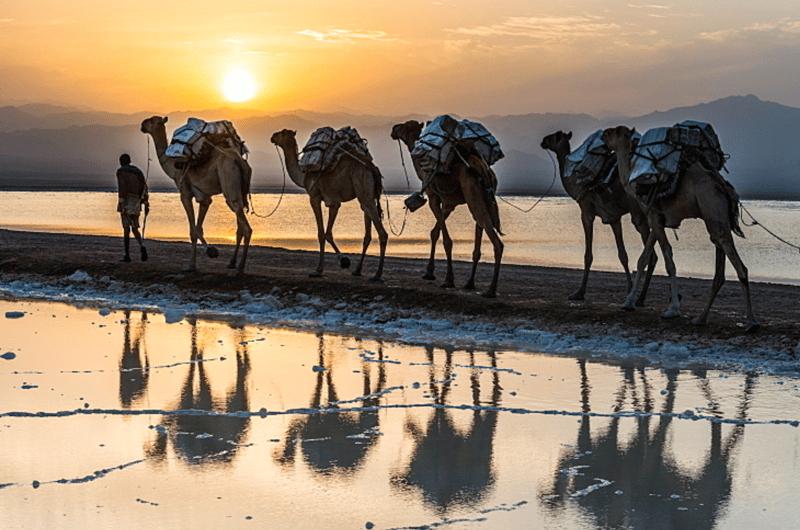
Few places feel as unearthly as the Danakil Depression, one of the hottest and lowest places on the planet, sitting more than 100 meters below sea level in the Afar region. You come for the spectacle: the neon sulphur springs of Dallol, vast salt flats worked by camel caravans, and the headline act Erta Ale, an active volcano with one of the world’s only permanent lava lakes, best seen glowing at night.
This is expedition-style travel heat, basic camps, 4x4s and guides are essential and unforgettable for the right traveler. It pairs well with the Tigray cluster churches and northern heritage sites.
Suggested tours:
- 5 Days Danakil Depression & Tigray Cluster Churches Tour
- 9 Days Danakil Depression with Northern Ethiopia Tours
- 12 Days Danakil and Lalibela Tour
Addis Ababa – your starting point
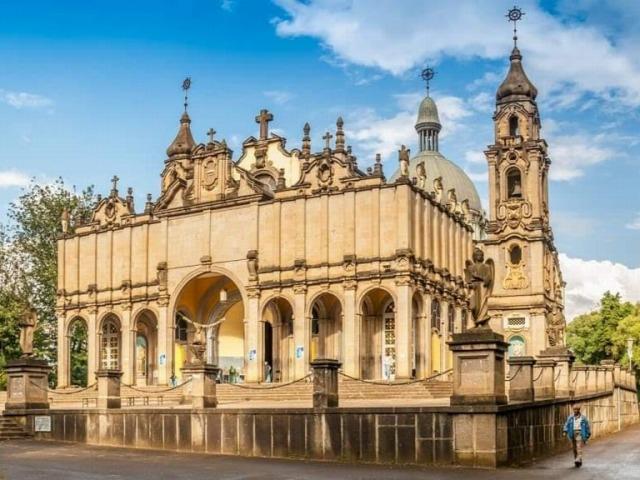
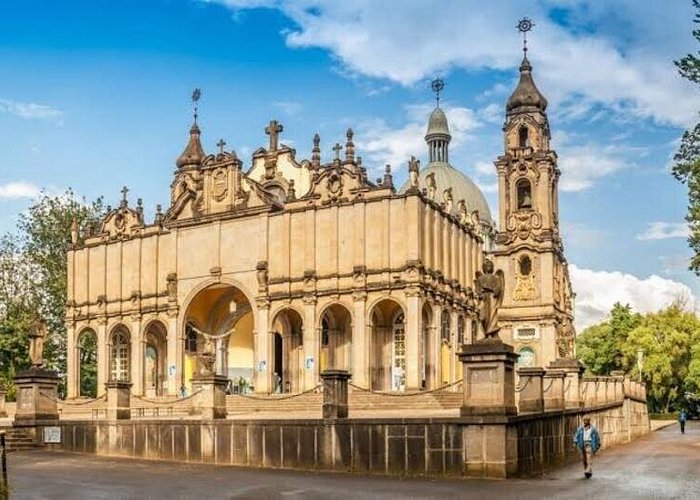
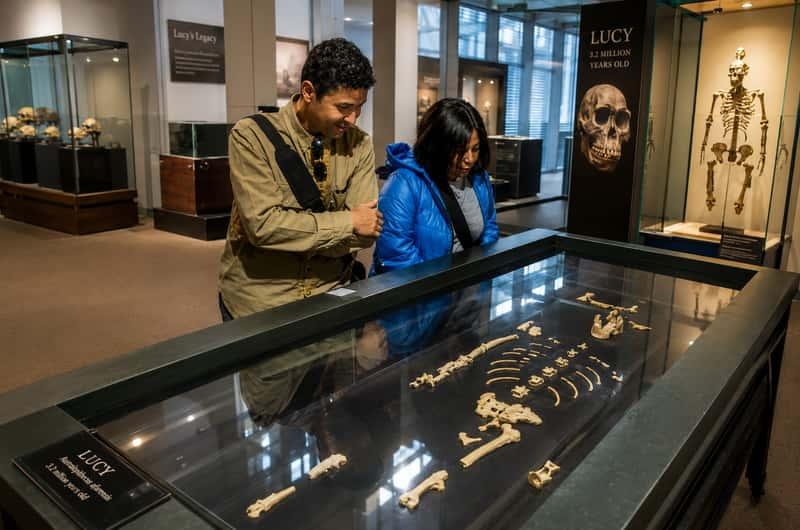
Almost every Ethiopian trip begins in Addis Ababa, the high-altitude capital and one of Africa’s most important diplomatic cities. Give it a day at the start or end: the National Museum (home to “Lucy,” one of the most famous early-human fossils), Holy Trinity Cathedral, the panoramic Entoto hills, lively markets and a serious coffee-and-food scene. It’s also the launchpad for day trips into the Rift Valley and nearby forests.
Suggested tours:
- Day Trip: Church of Adadi Mariam and Tiya Stelae
- Day Trip to Menagesha Suba Forest
- 7-Day Ethiopia Highland Tour (Addis, Entoto, Bishoftu Lakes)
Lephis community led tourism done right
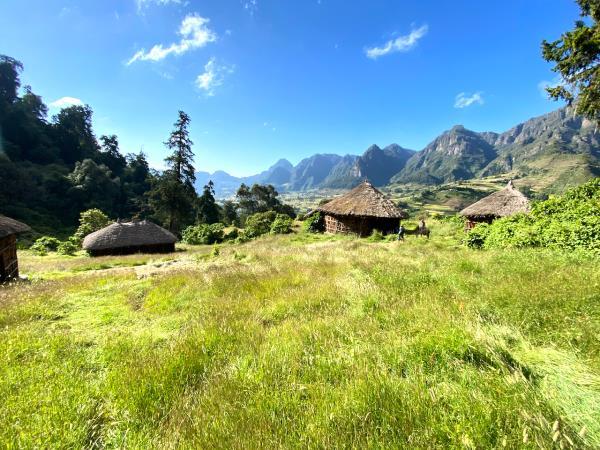
For a different kind of day, Lephis is a small village near the Gambo Forest, named for the Lephis Waterfall that tumbles through it. What makes it special isn’t only the scenery it’s that the tourism here was built by the community itself, to fund conservation and local livelihoods. Residents guide the walks, make the handicrafts and run the cultural activities. For birders, hikers and travellers who care where their money goes, it’s a model worth supporting.
Cultural experiences not to miss
The Ethiopian coffee ceremony
Ethiopia is coffee’s birthplace, and the ceremony is its purest expression: green beans roasted over coals in front of you, ground by hand, brewed in a clay jebena, and served in three rounds amid incense and conversation. Accept the invitation whenever it comes it’s the warmest, most intimate window into Ethiopian hospitality you’ll find.
Markets and everyday life
From northern highland towns to southern village markets, market day is where you understand how a place actually works the trade in grain, textiles, livestock and salt, and the social hum around it. Paired with village visits, markets let you experience Ethiopia beyond the monuments.
Food and hospitality
Ethiopian food is a journey in itself: injera, the tangy sourdough flatbread, topped with spiced stews (wat), vegetarian fasting platters, and regional specialities, all shared from one plate. Building a few food experiences into your trip a cooking demo, a market lunch, a home meal turns dinner into part of the discovery.
Festivals and religious heritage
Ethiopia keeps one of the oldest living Christian traditions on earth, and its festivals are extraordinary to witness. Timket (Epiphany, 19 January) fills the streets with processions and mass baptisms; Meskel (late September) lights huge bonfires; Genna and Fasika (Christmas and Easter) centre on Lalibela. Travelling during a festival is the most immersive way to see this side of the country.
Festival departures:
How to plan the right Ethiopia trip
There’s no single “best” Ethiopia itinerary the right one depends on what pulls you here.
| If you want… | Go to… | Pair it with… |
| Ancient history & churches | Lalibela, Aksum, Gondar (Historic Route) | Simien Mountains trekking |
| Living cultures | Omo Valley, southern Ethiopia | Addis Ababa & Rift Valley lakes |
| Wildlife & trekking | Bale Mountains, Simien Mountains | Highland drives & birding |
| Raw adventure | Danakil Depression & Erta Ale volcano | Tigray cluster churches |
For history and heritage travelers
Follow the Northern Historic Circuit: Addis Ababa, Lalibela, Gondar, Aksum, Bahir Dar and usually the Simien Mountains. It threads churches, castles and archaeology into one logical loop, mostly by short internal flights.
- 8 Days Tour to the Historic Route of Ethiopia
- 7 Days Northern Ethiopia Tours
- 12 Days Ethiopian Easter & Cultural Discovery Journey
For culture focused travellers
Head south to the Omo Valley for living traditions and village life, ideally paired with Addis Ababa and a few Rift Valley lakes for scenery and birdlife.
- 11 Days Omo Valley Tours
- 13 Days Historic Route and Omo Valley Tour
For nature and trekking travellers
Choose the Simien Mountains for dramatic escarpments and classic highland trekking, or the Bale Mountains for wildlife, birding and Afro-alpine landscapes.
- 10 Days Simien Mountains Trekking with Axum and Lalibela
- 11 Days Historic Route & Simien Trekking Adventure
For adventure travellers
Make the Danakil Depression your centrepiece, then combine it with northern heritage so the trip balances adventure with history and culture.
Best time to visit Ethiopia
The short answer: October to early June is dry across most of the country, and December to February is the sweet spot for the Historic Route, Lalibela and Simien trekking.
| Season | Months | Best for |
| Peak / dry | Oct–Feb | Historic Route, Lalibela, Gondar, Simien trekking, festivals (Genna, Timket) |
| Warm shoulder | Mar–May | Greener landscapes, Bale Mountains, birding, fewer crowds (hotter, late-season rain possible) |
| Green / wet | Jun–Sep | Highlands are wet; Danakil is extreme heat. Travel still possible with smart routing; Meskel falls in late Sep |
Booking with a local operator like Aman Ethiopia Tour & Travel helps here: we match your destinations, trip length and interests to the right season whether that’s a festival in the north, a trek in the highlands or a cultural route through the south.
Ethiopia travel FAQs
How many days do you need in Ethiopia?
Allow 5–8 days to do one region well (for example the northern Historic Route, or the Omo Valley). To combine history, mountains and culture, plan on 10–16 days. Internal flights make the distances manageable, but Ethiopia rewards a slightly slower pace.
What is the best time of year to visit Ethiopia?
October to February for the Historic Route, Lalibela and Simien trekking; March to May for greener landscapes and Bale Mountains wildlife. Time it to Genna (7 Jan), Timket (19 Jan) or Meskel (late Sep) if you want a festival.
Do I need a visa for Ethiopia?
Most visitors need a visa and an e-visa is available online before travel for many nationalities. Requirements change, so confirm the latest rules for your passport on the official Ethiopian e-visa portal before you book flights.
How do you get around Ethiopia?
The Historic Route is usually flown via Ethiopian Airlines’ domestic network (short hops between Addis, Lalibela, Gondar, Aksum and Bahir Dar), while the south, Bale and Danakil are reached by 4×4 with a driver-guide. A tailored tour ties the flights and ground transport together so you’re not stitching logistics yourself.
What should I pack?
Layers the highlands are cool, especially at night and on the plateaus, while the Danakil is extreme heat. Bring sturdy walking shoes, sun protection, modest clothing for churches and villages, and a head torch if you’re visiting Erta Ale.
Plan your Ethiopia journey with Aman Ethiopia Tour & Travel
As a local operator, Aman Ethiopia Tour & Travel builds historical journeys, treks, cultural expeditions, festival departures and fully tailor-made private tours and we’re happy to talk through your ideas before you commit to anything. Whether you’re drawn to Lalibela’s churches, Gondar’s castles, the Simien and Bale highlands, the Omo Valley’s cultures or the Danakil’s lava fields, we’ll help you shape
the route that’s right for you.
Ready to start? Get in touch with our team to plan a trip around your dates, interests and place.