South Sudan is one of Africa’s least-visited countries, offering a remarkable combination of traditional cultures, expansive landscapes, cattle-herding communities and photographic opportunities rarely found in conventional travel destinations. For travellers interested in cultural photography and learning about different ways of life, South Sudan can be an extraordinary place to explore. As part of your South Sudan Travel Guide, the country became independent in 2011 and is home to a diverse range of ethnic communities, each with its own language, traditions, social customs and relationship with the land. From the cattle camps of the Mundari to the pastoral traditions of the Dinka and Nuer, South Sudan offers a deeper look into the cultural diversity of East Africa.
However, South Sudan is also a destination where careful planning is essential. The security situation can change rapidly, infrastructure is limited in many areas, and international travel advisories currently warn against travel. Anyone considering a visit should assess the risks carefully and confirm that travel is appropriate before making arrangements. As detailed in the South Sudan Travel Guide, at Aman Ethiopia Tours & Travel, we help travellers explore East Africa through locally informed, carefully planned journeys. Our South Sudan tours are designed around cultural encounters and the country’s distinctive communities, subject to current security conditions, permits and local access.
Why is South Sudan unique?
For an in-depth exploration, refer to our South Sudan Travel Guide for tips on making the most of your visit.
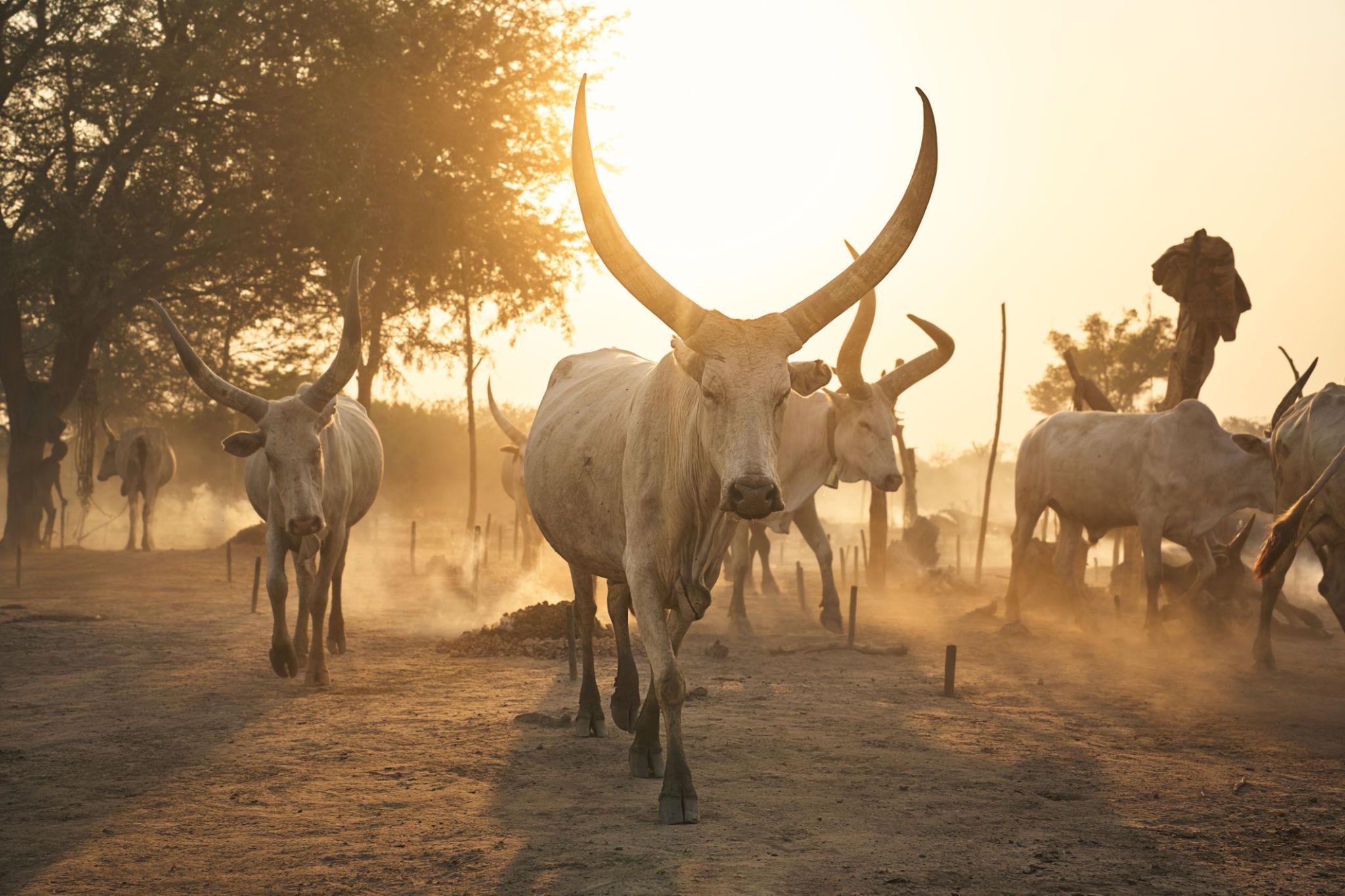
South Sudan stands out because of its cultural diversity and the continued importance of pastoral life in many communities. Cattle are more than a source of income or food. In some societies, they are connected to family relationships, social status, marriage traditions, ceremonies and community identity. This makes South Sudan particularly interesting for anthropologists, documentary photographers, cultural researchers and experienced travellers who want to understand local life beyond the usual tourist attractions.
Several features make the country distinctive:
- Traditional cattle camps: In communities such as the Mundari, Dinka and Nuer, cattle remain central to everyday life and cultural identity.
- Distinctive cultural traditions: Hairstyles, scarification in some communities, beadwork, adornment, dances and ceremonies can reflect individual, family or community identity.
- Powerful photographic environments: Cattle, smoke-filled camps, river landscapes, grasslands and dramatic light can create striking photographic compositions.
- Less-developed tourism infrastructure: Many areas receive relatively few international visitors, although limited infrastructure makes logistics and responsible planning especially important.
- Cultural diversity: South Sudan is home to many ethnic communities with different languages, histories, livelihoods and traditions.
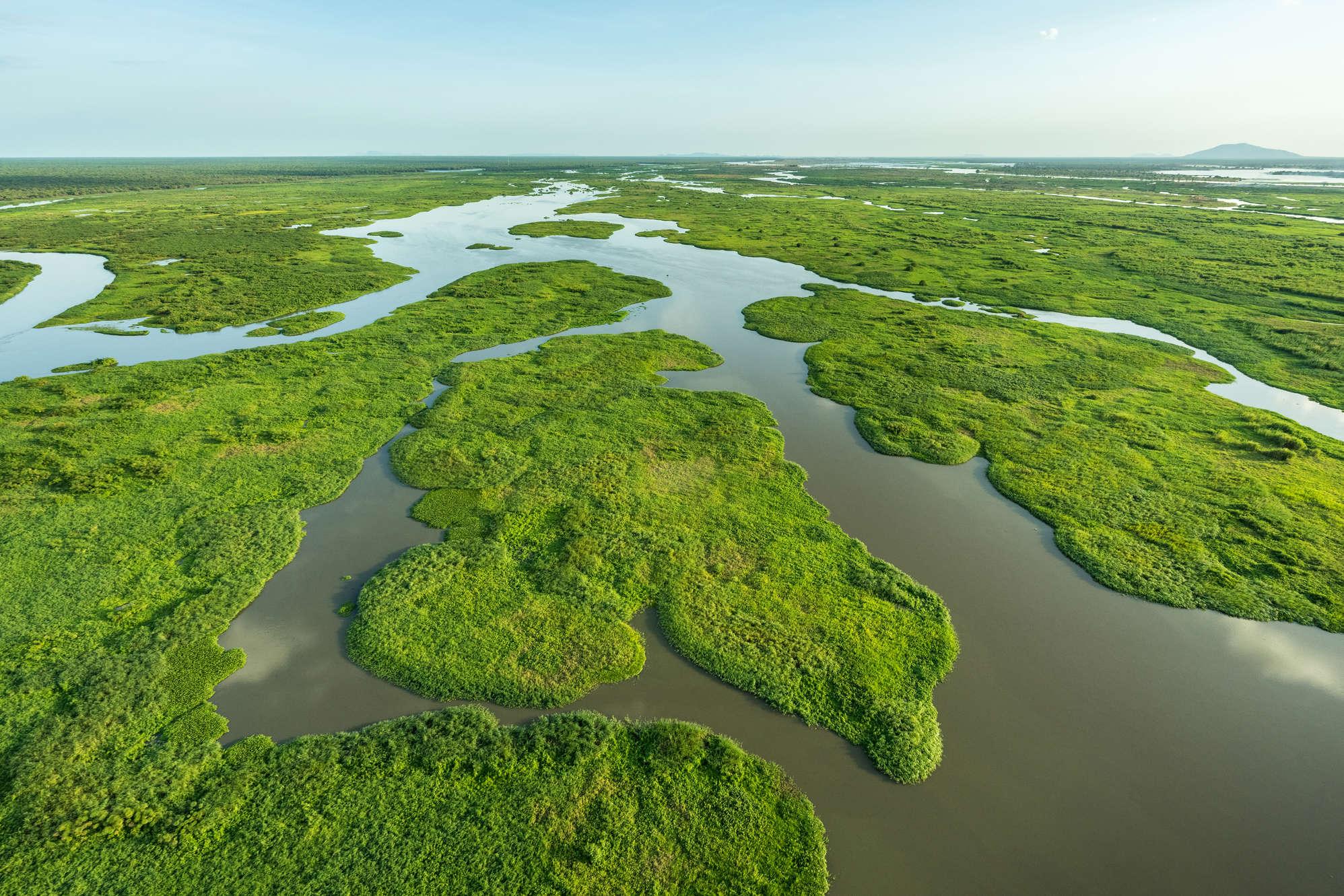
- Wild landscapes: The White Nile, vast wetlands, savannas and remote national parks add a natural dimension to cultural journeys.
These are living cultures, not staged attractions. A good visit should respect local customs, explain the purpose of photography, obtain permission and recognise that communities may choose not to participate.
South Sudan for photography: Which tribes and communities can you explore?
South Sudan is especially appealing to photographers interested in environmental portraits, documentary photography, pastoral traditions and everyday life. The communities below are among those known for their distinctive cultural practices. Access to particular locations depends on security, permission, transport and local conditions.
1. Mundari
The Mundari are widely known among cultural photographers for their cattle-keeping traditions and camps in the areas around Terekeka, north of Juba. Cattle are central to Mundari life. Photographers are often drawn to the relationship between herders and their animals, the daily routines of the camps, and the atmosphere created by earlymorning or evening light. Smoke from campfires used for practical purposes, including keeping insects away, can add a distinctive quality to photographs. The Mundari are often the first community travellers consider when planning a short cultural photography trip from Juba. Photography interest: Cattle camps, herders, environmental portraits, daily routines and atmospheric light.
2. Dinka
The Dinka, who refer to themselves as Jieng in many contexts, are one of South Sudan’s largest ethnic groups. Many Dinka communities have strong pastoral traditions, although livelihoods and lifestyles vary considerably by region and family. Cattle are closely connected with identity, family relationships, poetry, songs and social customs. Traditional cattle camps can offer opportunities to learn about the relationship between people and their animals, provided visits are locally authorised and safe. Photography interest: Pastoral life, cattle, family and community settings, ceremonies where permitted, and rural landscapes.
3. Nuer
The Nuer are another major ethnic community with strong historical connections to cattle herding, river environments and seasonal movements. Their cultural traditions share some broad pastoral themes with those of neighbouring communities, but Nuer identity, language and social practices have their own character. A visit should focus on understanding the community rather than treating its traditions as interchangeable with those of the Dinka or Mundari.
Photography interest: Pastoral landscapes, cattle, village life and cultural practices, subject to permission and safe access.
4. Toposa
The Toposa live mainly in Eastern Equatoria, particularly around the Kapoeta area. Cattle, goats and other livestock play important roles in many Toposa households. Traditional adornment, beadwork, hairstyles and livestock-related customs can be of interest to photographers. The area is remote, and access requires careful logistical planning and up-to-date security assessment. Photography interest: Portraits, beadwork, traditional adornment, pastoral life and rural landscapes.
5. Larim, also known as Boya
The Larim, often called Boya in older travel literature, are associated with the hills around Boya and the broader Budi area of Eastern Equatoria. Their cultural traditions and rural environment offer a different perspective from the cattle camp experiences often associated with South Sudan. The landscape itself can be an important part of a photographic journey. Photography interest: Community portraits, traditional dress and adornment, village life, and hill landscapes.
6. Jie
The Jie are a pastoral community found in parts of Eastern Equatoria, particularly around the Boma area. Livestock and community traditions are important features of life for many Jie families. A visit should be organised through knowledgeable local contacts and only when access is confirmed to be safe and appropriate. Photography interest: Pastoral life, portraits and traditional community activities.
7. Murle
The Murle are associated particularly with areas of Greater Pibor Administrative Area. Their livelihoods and cultural practices vary, and the region has experienced serious security challenges. Murle communities may be of interest to cultural researchers and documentary photographers, but this is not an area to visit simply because a tour itinerary advertises it. Any proposed visit requires a particularly careful security assessment and confirmation of local conditions. Photography interest: Cultural documentation and community life, only where safe, authorised and appropriate.
8. Shilluk, also known as Chollo
The Shilluk, who call themselves Chollo, live mainly along the White Nile in Upper Nile State. They have a distinctive history, cultural identity and relationship with the river. Their cultural heritage offers an opportunity to learn about communities whose traditions are closely linked with riverine landscapes, agriculture, fishing and regional history. Photography interest: River life, fishing and agricultural activities, local markets and cultural heritage.
9. Bari
The Bari is associated with the area around Juba and parts of Central Equatoria. Bari communities have their own languages, customs and historical traditions. For travellers based in Juba, learning about Bari heritage can provide useful context for understanding the region’s history and cultural diversity. Photography interest: Community life, cultural heritage, local markets and rural settings, with permission.
10. Anyuak, also known as Anuak
The Anyuak live in parts of South Sudan, particularly in areas of Greater Upper Nile, and also across the border in Ethiopia’s Gambella region. Their history and cultural identity extend across the present-day international border. Their traditions provide another perspective on the cultural connections that link communities throughout the wider Horn of Africa and East Africa. Photography interest: Riverine and rural life, agriculture, fishing and community portraits, where access is safe and consent is given.
Important: This list introduces communities that travellers and researchers may wish to learn about. It does not mean that every community or region can currently be visited safely. South Sudan’s security conditions vary by location and can change quickly. Never assume that a community visit is available simply because it appears in a travel guide.
Best time to visit South Sudan
The best season depends on the purpose of your trip, the communities you hope to visit and the security situation at the time of travel.
November to April: Generally drier months
The period from November to April is generally the drier season and is often more practical for overland travel and cultural photography. Roads may be easier to use than during periods of heavy rainfall, although conditions still vary by location.
Potential advantages include:
- Better access to some rural communities.
- Less rainfall than during the main wet season.
- More practical conditions for moving photographic equipment and supplies.
- Opportunities for outdoor photography in changing morning and evening light.
The dry season can also bring dust, heat and challenging road conditions. It should not be assumed that all remote roads will be accessible.
May to October: Generally wetter months
The wet season can bring heavy rain, muddy roads, flooding and delays. Some rural routes may become difficult or impossible to travel by vehicle.
Potential challenges include:
- Longer journey times.
- Temporary road closures and difficult river crossings.
- Changes to local travel plans.
- Greater difficulty transporting equipment and supplies.
The wet season may still interest specialist photographers, but it requires more flexibility and a realistic assessment of transport conditions. Our recommendation: November to February can be a useful starting point when considering cultural
Photography, but the best dates must be determined by the intended route, local conditions and security advice. Seasonal weather is only one part of the decision. Safety must come first.
South Sudan tour packages with Aman Ethiopia Tours
Aman Ethiopia Tours currently lists two South Sudan itineraries in its South Sudan tour category. Both are private tours, and the website asks travellers to enquire for pricing.
Browse the full collection: https://amanethiopiatours.com/tours-category/south-sudan/
1. 2 Days Tour South Sudan to Juba and Mundari
This short itinerary focuses on Juba and a visit to the Mundari community. It may appeal to travellers with limited time who are primarily interested in cultural photography and cattle camp life. The tour page lists a private 4WD-based experience and requests an enquiry for pricing.
View itinerary: https://amanethiopiatours.com/tours/explore-tour-south-sudan-juba-mundari-2-day-adventure/
2. 3 Days South Sudan Tribes Tours
This itinerary is designed for travellers interested in South Sudan’s cultural traditions, with a focus on Juba and a Mundari community visit. The published tour description also refers to the Terekeka area. It is listed as a private tour, with a 4WD vehicle and pricing available on request.
View itinerary: https://amanethiopiatours.com/tours/explore-south-sudan-tribes-tour/
The published description contains a day-count inconsistency, so travellers should confirm the final duration and arrangements with the tour operator before booking.
Can Aman Ethiopia Tours arrange a longer photography expedition?
A longer journey may be considered for travellers interested in multiple communities, subject to feasibility. However, visits to remote areas cannot be promised in advance without confirming current security conditions, permissions, accommodation, transport and local access. A customised itinerary should only be proposed after these checks. We recommend discussing the photography objectives, preferred communities, equipment, travel dates and flexibility before deciding whether a trip is suitable.
South Sudan safety advice: What travellers need to know?
Safety is the most important consideration when planning travel to South Sudan.
As of 3 November 2026, the UK Foreign, Commonwealth & Development Office advises against all travel to South Sudan. The US Department of State and Australian Government also advise against travel because of risks that include armed conflict, violent crime and other serious security threats. The situation can deteriorate with little warning, and flights or routes out of the country may be disrupted.
Official advisories:
- UK Foreign Office: https://www.gov.uk/foreign-travel-advice/south-sudan
- US Department of State: https://travel.state.gov/en/international-travel/travel-advisories/south-sudan.html
- Australian Government: https://www.smartraveller.gov.au/destinations/africa/south-sudan
These warnings should be taken seriously. A private tour, local guide or security arrangement cannot eliminate the risks.
Practical safety directions
1. Check the latest official travel advice before booking.
Review your government’s current advisory and seek professional security advice. Recheck conditions immediately before departure.
2. Do not assume that Juba is risk-free.
Security concerns affect the capital as well as other parts of the country. Do not treat arrival in Juba as confirmation that a planned trip is safe to continue.
3. Confirm every proposed destination and road route.
Conditions can differ substantially between regions. Remote cultural destinations may have additional risks, and a route that was used previously may no longer be suitable.
4. Use reputable local operators and experienced guides.
If travel proceeds despite official advice, arrangements should include reliable local contacts, suitable private transport, current route checks and a clear emergency plan. These measures reduce some practical risks but do not make unsafe travel safe.
5. Avoid unnecessary movement after dark.
Official advice highlights the risks of crime and dangerous checkpoint encounters. Avoid night driving and follow current local security instructions.
6. Keep emergency arrangements realistic.
Confirm travel insurance, medical evacuation coverage, accommodation options and alternative departure plans. Do not rely on an embassy being able to evacuate you or provide immediate assistance.
7. Carry identification and follow local laws.
Keep copies of your passport and relevant travel documents. Check current entry requirements and any required permits before travelling.
8. Be particularly careful with photography.
Photography can attract unwanted attention, especially near government buildings, military facilities, airports, bridges and other sensitive locations. Never photograph military personnel, security installations or sensitive infrastructure. Ask permission before photographing individuals and communities.
The US travel advisory states that a photography permit may be required. Travellers should verify current requirements with the relevant South Sudanese authorities before taking photographic equipment into the country or beginning photography.
9. Respect community consent.
Do not treat people as photographic subjects simply because you have travelled a long distance to meet them. Explain your intentions, ask permission, respect refusals and agree on any photography fees or arrangements in advance.
10. Be prepared to postpone or cancel.
If the security situation deteriorates, postponing the trip may be the safest decision. Travellers should understand cancellation terms, financial exposure and insurance exclusions before paying.
Responsible cultural photography in South Sudan
The best cultural photographs are not simply about appearance. They tell a story about people, their surroundings and their everyday lives. When photographing South Sudan’s communities, consider the following principles:
- Ask permission before taking close-up portraits.
- Explain whether images will be used privately, commercially or online.
- Respect requests not to photograph children or particular ceremonies.
- Avoid intrusive photography during sensitive or private moments.
- Agree on photography fees or other arrangements before the session.
- Avoid presenting one community as representative of the entire country.
- Do not encourage people to perform cultural practices purely for the camera.
A respectful approach helps create a better experience for visitors and the people they meet.
Frequently asked questions about South Sudan
Is South Sudan a good destination for cultural photography?
South Sudan has distinctive cultural and pastoral traditions that can be of great interest to experienced cultural and documentary photographers. However, the current security situation is a major concern, and travel should not be undertaken without carefully assessing official advice and the risks.
Which community is best known for cattle camp photography?
The Mundari are particularly well known among international cultural photographers for their cattle camps near the Juba and Terekeka area. Dinka and Nuer communities also have important pastoral traditions. Access depends on local permission and current conditions.
What is the best month to visit South Sudan?
November to February falls within the generally drier part of the year and may offer more practical conditions for some journeys. The best dates depend on the route, weather, security and community access.
How many days do I need for a South Sudan cultural tour?
Aman Ethiopia Tours currently lists a 2-day Juba and Mundari tour and a 3-day South Sudan tribes tour. Longer customised journeys may be considered only after the feasibility and safety of the proposed route have been assessed.
Is South Sudan safe for tourists?
Several foreign governments currently advise against all travel to South Sudan. The security situation is volatile, and risks include armed violence and serious crime. Travellers should read the latest official advice and understand that tour arrangements cannot remove these risks.
Can I photograph people freely in South Sudan?
No. Permission and sensitivity are essential, and photography near government, military and other sensitive locations can create serious problems. Check applicable photography permit requirements before travelling and always respect the wishes of the people you meet.
Can I combine South Sudan with Ethiopia?
A regional itinerary may be considered in principle, but cross-border arrangements depend on visa requirements, transport availability, border procedures and the security situation in both countries. Do not assume that an overland crossing is currently practical or safe.
Plan your South Sudan journey with Aman Ethiopia Tours
South Sudan offers a fascinating opportunity to learn about the cultural diversity of East Africa, especially its pastoral communities and distinctive traditions. For travellers interested in cultural photography, it can be a compelling destination to research and understand. At the same time, the country’s current security situation requires caution. Before making plans, review the latest official travel advice and confirm whether travel is appropriate for your circumstances.
To explore the itineraries currently listed by Aman Ethiopia Tours, visit:
South Sudan tour packages: https://amanethiopiatours.com/tours/explore-south-sudan-tribes-tour/