

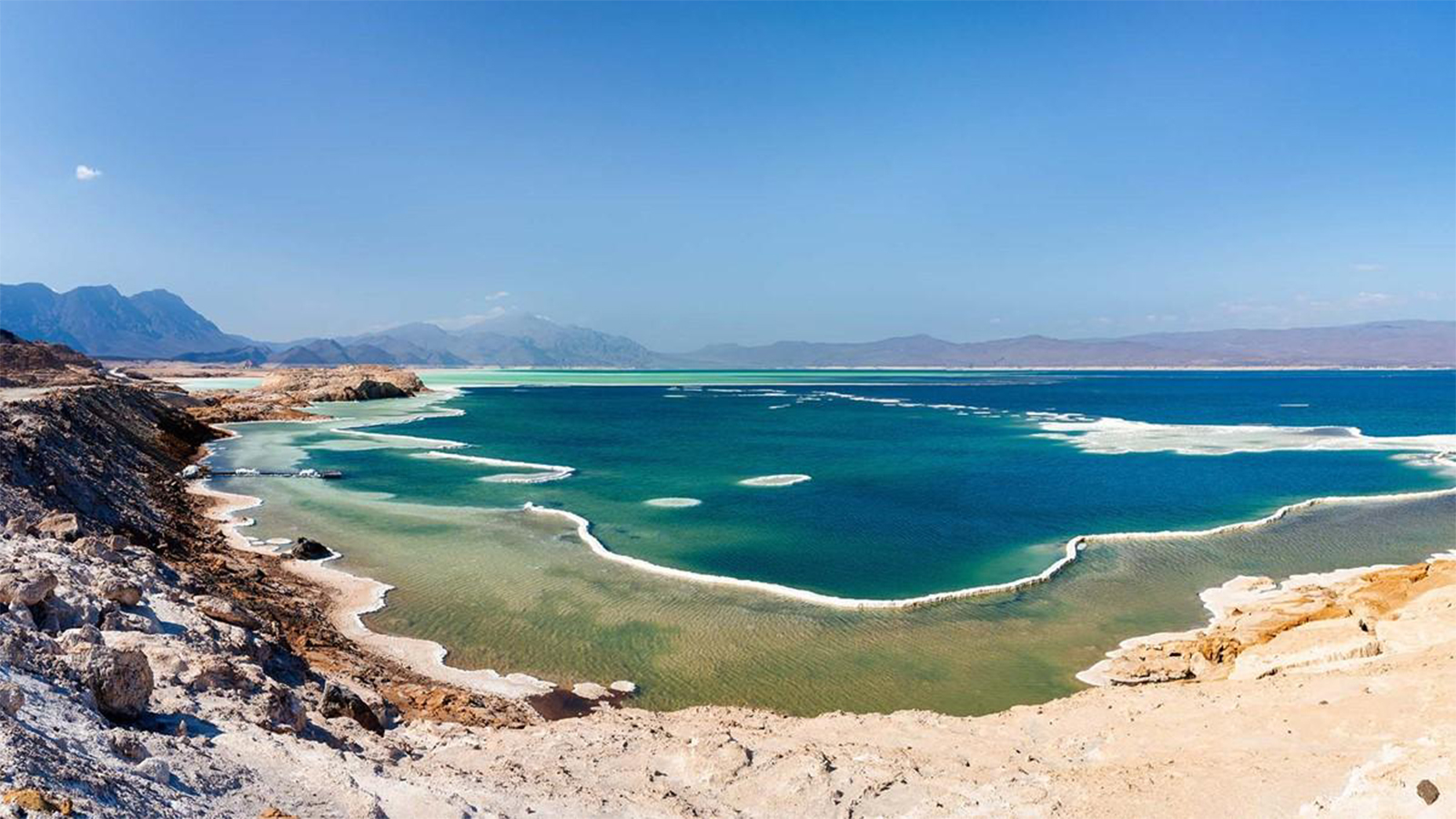
Discover Lake Assal, Lake Abbe, the Red Sea coast and the extraordinary landscapes of the Horn of Africa with Aman Ethiopia Tours & Travel.
Djibouti is one of the Horn of Africa’s most fascinating destinations. Although small in size, this remarkable country offers an impressive variety of landscapes, from brilliant white salt flats and volcanic deserts to dramatic limestone formations, coastal towns and islands surrounded by the warm waters of the Gulf of Tadjoura. Located between Ethiopia, Eritrea and Somalia, Djibouti is an excellent destination for travelers interested in geology, adventure, photography, cultural experiences and marine life. It is also an appealing addition to an Ethiopia holiday, allowing visitors to explore two neighboring countries with distinctive landscapes and cultural traditions. Imagine standing beside the extraordinary salt formations of Lake Assal, photographing the towering limestone chimneys of Lake Abbe, exploring the historic streets of Djibouti City or taking a boat trip toward the islands of the Gulf of Tadjoura. Each experience reveals a different side of this remarkable destination. At Aman Ethiopia Tours & Travel, we offer a range of Djibouti tour packages, from short two-day excursions to longer journeys combining Djibouti with Ethiopia and other destinations in the Horn of Africa. Whether you are planning a short holiday, a private photography trip, a coastal escape or a multi-country adventure, our team can help you select a suitable itinerary.
Explore our “Djibouti tour packages and destination information” (https://amanethiopiatours.com/djibouti/
Why visit Djibouti?
Djibouti offers an unusual combination of geological wonders, coastal scenery, local culture and adventure. It is particularly appealing to travelers who want to experience landscapes that differ from conventional African safari destinations.
Lake Assal: Discover Africa’s lowest point
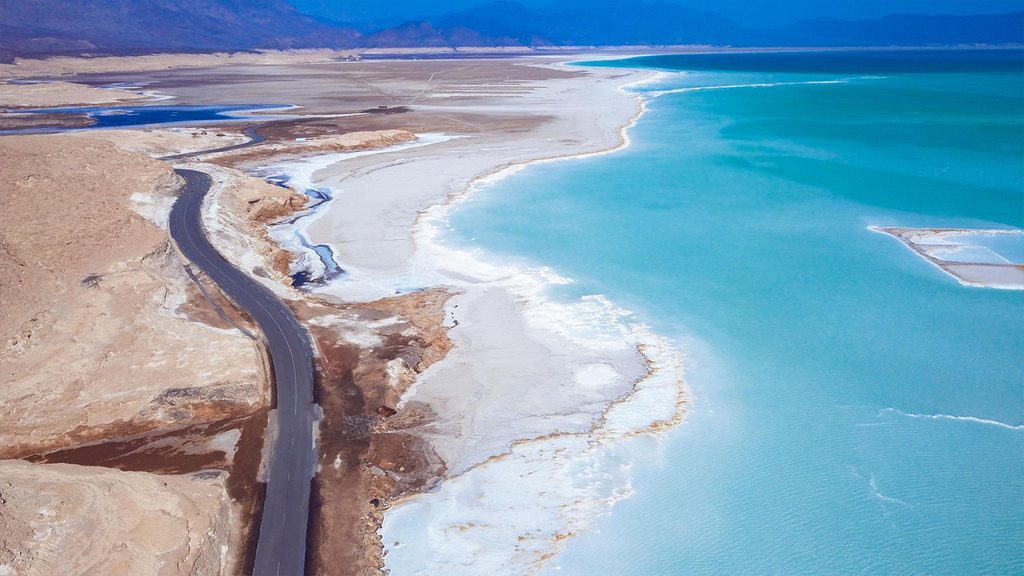
Lake Assal is one of Djibouti’s most famous natural attractions. Located in a volcanic depression approximately 155 metres below sea level, it is the lowest point in Africa. The lake’s brilliant salt formations, turquoise water and surrounding dark volcanic terrain create striking scenery for photography and sightseeing. Visitors can learn about the region’s geological history and experience one of the most distinctive landscapes in the Horn of Africa. Lake Assal is a major highlight of many Djibouti holidays and a must-see for travelers interested in geology, natural landscapes and photography.
Lake Abbe: A landscape unlike anywhere else
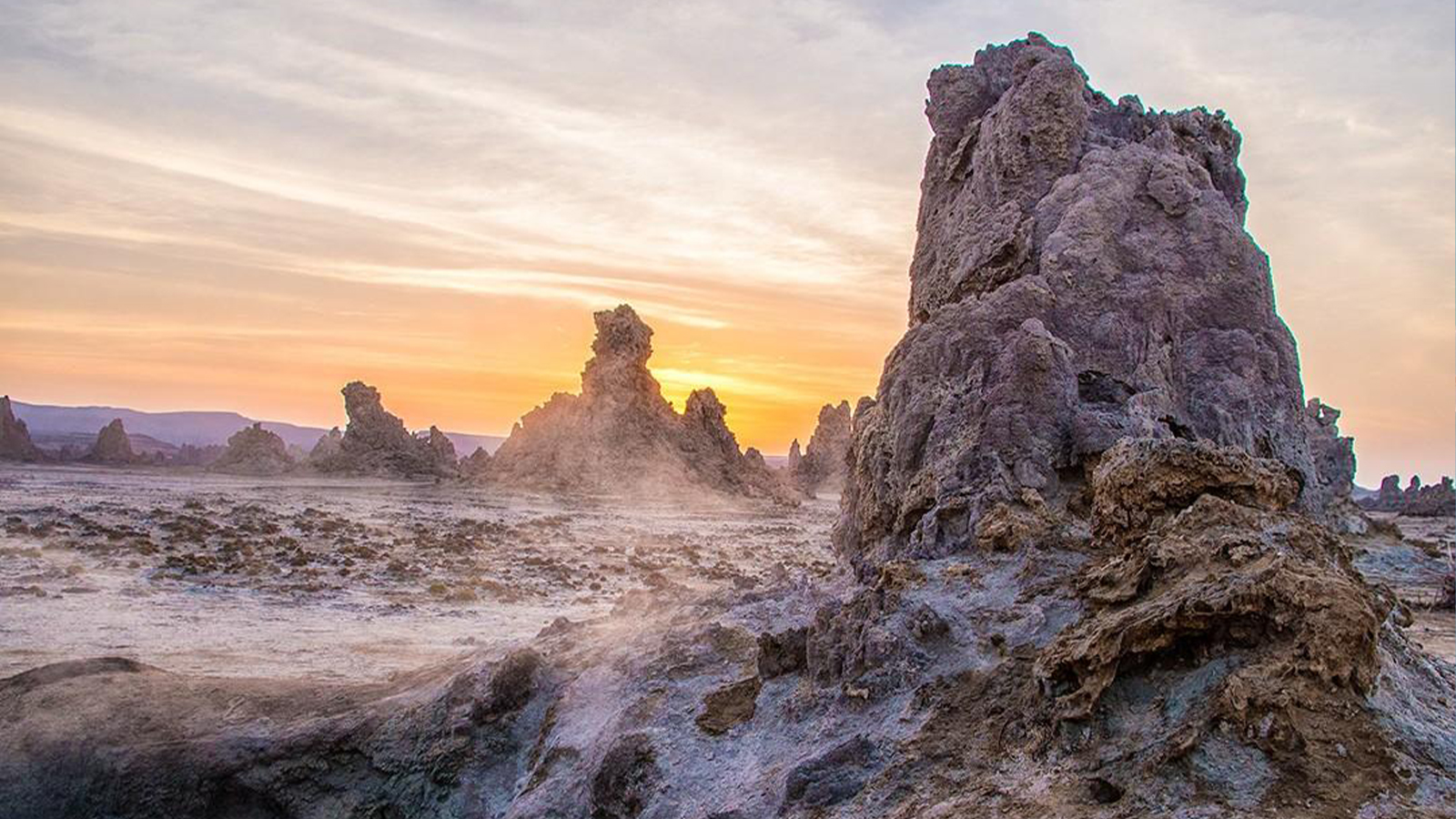
Lake Abbe, also known as Lac Abbé, is famous for its tall limestone chimneys, mineral formations and steaming vents. Its remote setting and unusual geological features create an almost otherworldly landscape. The area is especially rewarding for photographers during early morning and late afternoon, when changing light emphasizes the shapes and textures of the formations. Lake Abbe is an excellent choice for adventure travelers seeking remote destinations beyond the usual tourist routes. Because access can involve long drives and challenging terrain, visitors should arrange suitable transportation and confirm local conditions before traveling.
Djibouti City: Culture, history and coastal life
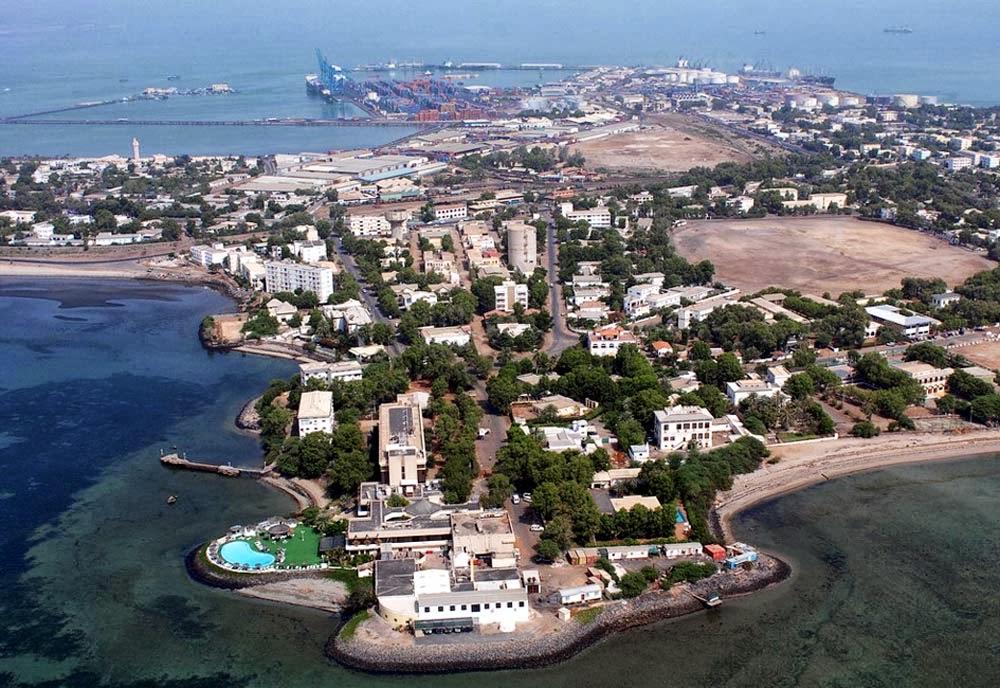
Djibouti City is the country’s capital and principal gateway for international visitors. Its streets reflect a blend of African, Arab and French influences, visible in its architecture, markets, cuisine and everyday life. Visitors can explore the central market, Hamoudi Mosque, historic buildings and waterfront areas while learning about the country’s history and its strategic position along important maritime routes. The city also provides restaurants, accommodation and transport connections for journeys into the surrounding desert and coastal regions.
The Gulf of Tadjoura: Marine life and island adventures
Djibouti’s coastline offers a refreshing contrast to its arid interior. The Gulf of Tadjoura is known for its marine environment, islands, reefs and opportunities for snorkeling and diving. Moucha Island and Maskali Island are popular destinations for boat excursions and coastal relaxation. Activities depend on weather, sea conditions and local operator availability. Djibouti is also known for seasonal whale shark encounters, particularly during the cooler months. Sightings are not guaranteed, and responsible wildlife practices should always be followed.
Tadjourah and the northern coast
Tadjourah is a historic coastal town known for its traditional architecture and position beside the Gulf of Tadjoura. It can be combined with coastal excursions, beaches and exploration of northern Djibouti. Sable Blanc Beach is another popular stop for travelers interested in relaxing beside the water or enjoying marine activities when conditions permit.
Day Forest and the Goda Mountains
Djibouti is not only a land of deserts and salt lakes. Its northern highlands offer a different environment, with cooler conditions, vegetation and opportunities for walking and exploring rural landscapes. Day Forest, the Goda Mountains, Bankoualé and Dittilou are potential additions to longer itineraries, depending on access and travel arrangements.
Combine Djibouti with Ethiopia
Travelers can combine Djibouti with Ethiopia for a broader Horn of Africa experience. Depending on current transport and entry arrangements, a regional itinerary may include Djibouti’s natural attractions alongside Ethiopia’s historic cities, wildlife areas and cultural destinations. Aman Ethiopia Tours & Travel offers multi-country tour options that include Djibouti, Dire Dawa, Harar, Awash and Addis Ababa. Cross-border transport and immigration arrangements must be verified before confirming a booking.
Best places to visit in Djibouti
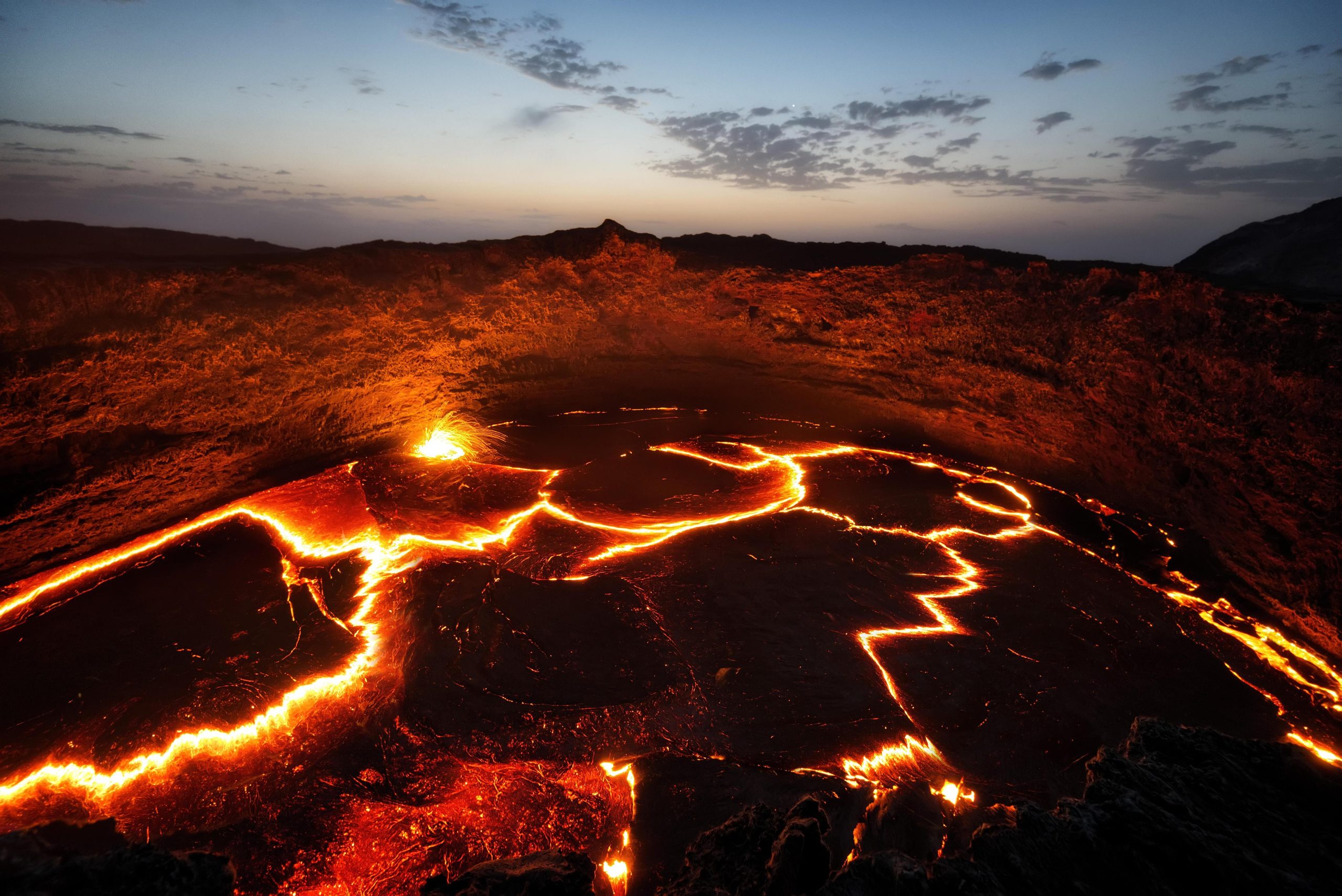
The main destinations to consider when planning a Djibouti holiday include:
- Lake Assal: Salt flats, volcanic scenery and extraordinary geological formations.
- Lake Abbe: Limestone chimneys and remote desert landscapes
- Ardoukoba Volcano: Volcanic terrain associated with the Afar region’s active geological system
- Ghoubet al-Kharab: A dramatic coastal inlet surrounded by rugged terrain
- Djibouti City: Markets, historic architecture, local food and coastal culture
- Tadjourah: A historic coastal town and gateway to northern attractions
- Sable Blanc Beach: A coastal destination for relaxation and marine activities
- Moucha and Maskali Islands: Boat excursions, snorkeling and island scenery
- Day Forest: Highland vegetation and walking opportunities
- Goda Mountains: Highland landscapes and rural experiences
- Grand Bara: An expansive plain associated with Djibouti’s desert environment
- Obock and the Seven Brothers Islands: Potential options for travelers interested in the northern coast and marine exploration, subject to logistics and access.
The best selection depends on your available time, interests and preferred travel style. Some destinations are remote, so a well-planned route is preferable to attempting to visit every attraction during a short stay.
Best time to visit Djibouti
The cooler months, generally from October to April, are often more comfortable for exploring the inland landscapes and coastal areas. However, temperatures and conditions vary, and the interior can remain very hot. The period from June to August can bring extreme heat, making careful planning particularly important for desert excursions. Marine activities have their own seasonal patterns. Whale shark encounters are seasonal, while diving, snorkeling and boat excursions depend on local conditions and operator availability. Before booking, discuss your preferred dates with your tour operator to confirm the most appropriate itinerary for the season.
How many days do you need in Djibouti?
A two-day visit may suit travelers with very limited time, while three to five days allow a more substantial experience. Seven days provides an opportunity to explore a wider range of landscapes, including the coast and highlands. Travelers interested in combining Djibouti with Ethiopia or Somaliland should consider longer itineraries, allowing sufficient time for transport, immigration formalities and sightseeing. Aman Ethiopia Tours & Travel currently lists Djibouti-related packages ranging from 2 to 12 days, with private and other tour arrangements depending on the package. You can explore the available options below.
Djibouti tour packages by Aman Ethiopia Tours & Travel
Our tour packages offer different ways to experience Djibouti, from short excursions to extended regional journeys. The following durations and prices should be confirmed on the relevant package page before booking, as availability and rates may change.
- Two-Day Djibouti Discovery Trip from Addis Ababa
Duration: 2 days
Best for: Travelers looking for a short Djibouti experience with limited time.
This short package is intended for visitors who want to experience Djibouti’s main highlights within a compact itinerary. The final attractions and transport arrangements should be confirmed before booking.
“View the two-day Djibouti Discovery Trip” (https://amanethiopiatours.com/shop/page/3/)
2. Three-Day Djibouti Wonders Tour from Addis Ababa
Duration: 3 days
Best for: Travelers interested in Lake Assal, Ardoukoba Volcano and Lake Abbe.
This adventure focuses on Djibouti’s dramatic geological landscapes, including salt flats, volcanic terrain and the extraordinary limestone chimneys of Lake Abbe.
“View the Three-Day Djibouti Wonders Tour” (https://amanethiopiatours.com/tours/3-days-djibouti-tour-lake-assal/)
3. Three-Day Djibouti City, Lake Assal and Island Escape
Duration: 3 days
Best for: Short holidays, stopovers and visitors seeking a combination of city sightseeing, natural scenery and coastal experiences.
The package offers a flexible way to experience Djibouti City, Lake Assal or an island excursion, depending on the confirmed program.
“View the Three-Day City, Lake Assal and Island Escape” (https://amanethiopiatours.com/tours/discover-djibouti-city-lake-assal-3-day-tour/)
4. Four-Day Djibouti City, Lake Abbe and Lake Assal Explorer
Duration: 4 days
Best for: Travelers who want to explore Djibouti’s best known geological attractions without extending their holiday to a full week.
The tour combines the capital with Lake Assal and Lake Abbe, offering opportunities to discover the country’s salt lakes, volcanic landscapes and remote natural scenery.
“View the Four-Day Djibouti City, Lake Abbe and Lake Assal Explorer” (https://amanethiopiatours.com/tours/djibouti-city-lake-abbeh-lake-assal-explorer/)
5. Five-Day Djibouti Tour from Addis Ababa
Duration: 5 days
Best for: Travelers interested in a broader overland adventure from Ethiopia.
This package focuses on Lake Assal, Ardoukoba Volcano, Lake Abbe and the Red Sea coastal environment. The feasibility of the route and return transport should be confirmed before booking.
“View the Five-Day Djibouti Tour from Addis Ababa” (https://amanethiopiatours.com/tours/sunset-in-lac-abbeh-djibouti/)
6. Five-Day Djibouti Nature, Culture and Marine Adventure
Duration: 5 days
Best for: Travelers who want to combine geological attractions, local culture and marine experiences.
This package offers a combination of desert scenery, coastal exploration and opportunities for island excursions or other marine activities, depending on season and availability.
“View the Five-Day Nature, Culture and Marine Adventure” (https://amanethiopiatours.com/tours/djibouti-ultimate-nature-culture-marine-adventure/)
7. Seven-Day Grand Djibouti Discovery: Culture, Lakes and Coast
Duration: 7 days
Best for: Travelers seeking a more comprehensive Djibouti holiday.
The itinerary is designed to combine the capital, salt lakes, dramatic geological landscapes, coastal destinations and selected highland areas, subject to the final confirmed route.
“View the Seven-Day Grand Djibouti Discovery” (https://amanethiopiatours.com/tours/grand-djibouti-discovery-culture-lakes-coast/)
8. Nine-Day Djibouti and Ethiopia Discovery
Duration: 9 days
Best for: Travelers interested in Djibouti’s landscapes and Ethiopia’s cultural heritage, wildlife and railway travel.
This multi-country package combines Djibouti with eastern Ethiopia, including destinations such as Dire Dawa, Harar and Awash. The transport route, train services and immigration requirements must be confirmed before travel.
“View the Nine-Day Djibouti and Ethiopia Discovery: (https://amanethiopiatours.com/tours/9-days-djibouti-ethiopia-discovery/)
9. Twelve-Day Horn of Africa Discovery
Duration: 12 days
Best for: Travelers seeking a wider regional journey through Somaliland, Djibouti and Ethiopia.
This extended tour combines cultural and historical experiences, natural landscapes and regional travel. Because it involves multiple jurisdictions, all visa requirements, border arrangements and transport connections must be verified in advance.
“View the Twelve-Day Horn of Africa Discovery” (https://amanethiopiatours.com/tours/discover-the-horn-of-africa-12-day-adventure-tour/)
For the latest package details, visit our “complete Djibouti tour collection” (https://amanethiopiatours.com/destination/djibouti/).
Djibouti eVisa: What travelers need to know?
Travelers should confirm their visa requirements before arranging flights or overland transport to Djibouti. Requirements can depend on nationality, passport, purpose of travel and the intended entry point.
The official Djibouti eVisa portal is:
“Apply for a Djibouti eVisa” (https://www.evisa.gouv.dj/)The official portal provides the application process, payment instructions and visa information. Applicants should use this government website rather than an unverified third-party service.
Common eVisa application requirements
The official portal lists the following supporting information for an electronic visa application:
- A passport valid for at least six months
- A flight reservation or other evidence of the intended means of transport
- An accommodation address, such as a hotel or host’s address
- An invitation letter and host or organization details where required
- A payment card accepted by the official application system.
Requirements may vary according to the application and traveler. Check the current instructions on the official portal before submitting documents or paying a fee.
Important eVisa advice
Submit your application in advance and wait for official approval before traveling. Keep a copy of the approved eVisa and supporting travel documents accessible during your journey. An eVisa does not automatically guarantee admission. Immigration officials make the final entry decision, and the traveler must satisfy the applicable conditions. If you plan to enter Djibouti by land from Ethiopia, do not assume that an airport visa arrangement applies to the land border. Confirm in advance that your visa or eVisa is accepted for your intended crossing and that the border post is open to your type of traveler.
Traveling from Ethiopia to Djibouti: Border and transport information
Djibouti and Ethiopia share a land border, and regional travel has historically been possible by road and railway. However, the availability and suitability of these routes must be checked before booking.
1. Traveling by road through the Galafi border area
The main road corridor between Djibouti and Ethiopia runs through the Galafi border area. A road journey may involve long distances, remote sections and formal immigration procedures.
Before planning an overland trip, travelers should confirm:
- Whether the intended border crossing is open to foreign tourists
- The current security situation along the entire route
- Visa and entry requirements for both countries
- Whether the vehicle and driver can legally cross the border
- Any necessary permits, vehicle documentation or local arrangements
- Road conditions, fuel availability and realistic travel times.
A tourist visa for one country does not grant permission to enter the other. Travelers must satisfy the entry requirements of each country separately.
2. Traveling by train between Djibouti and Ethiopia
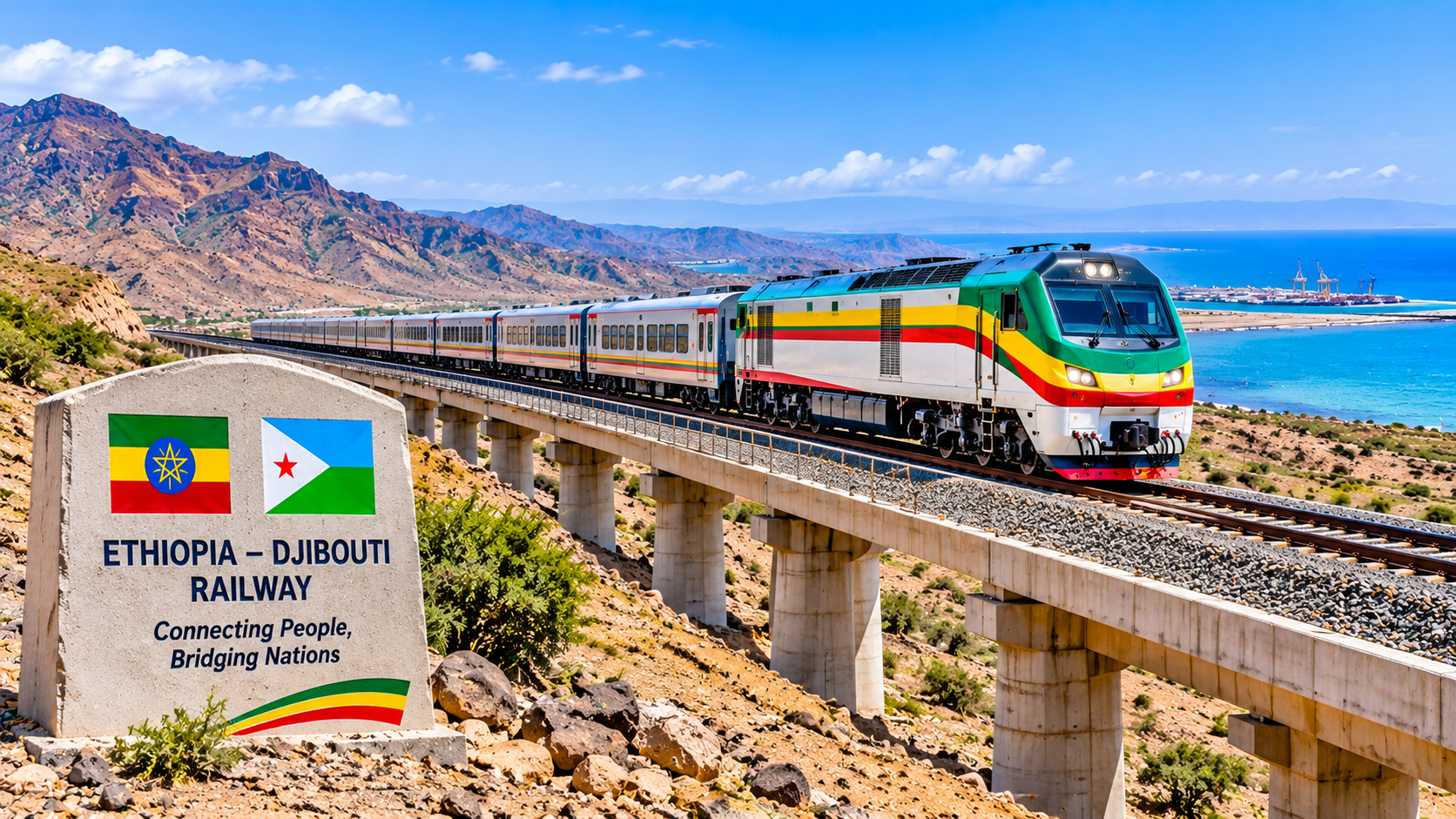
The Ethiopia–Djibouti railway connects the region through stations including Nagad on the Djibouti side and Dire Dawa in Ethiopia. Passenger service availability and schedules should be confirmed directly before making travel plans. An advertised itinerary that includes a train journey should not be treated as confirmation that a suitable passenger service is operating on your chosen date. Before booking, verify the current timetable, ticket availability, departure station, border procedures and onward transport.
3. Important cross-border safety notice
Cross-border travel by road or train should be assessed carefully before departure. Current official foreign-travel guidance has raised concerns about travel through parts of the Ethiopia–Djibouti road and rail corridors. Travelers should review the latest advice from their own government’s foreign ministry and confirm conditions with the relevant authorities before booking or traveling. Aman Ethiopia Tours & Travel should reconfirm the feasibility of any cross-border itinerary before accepting a final travel date. If the route is not advisable or cannot be confirmed, consider a flight-based alternative or postpone the crossing.
4. Ethiopian eVisa and land-border entry
The official Ethiopian eVisa website is:
“Apply for an Ethiopian eVisa” (https://www.evisa.gov.et/)
The Ethiopian government publishes the applicable visa categories and application requirements on this portal. Do not assume that an Ethiopian eVisa permits entry at every land border. Before using the Galafi route or arriving by train, confirm with Ethiopian Immigration and Citizenship Service that your visa category and intended point of entry are accepted. Travelers entering Ethiopia and later returning to Djibouti should also check whether their visa allows the required number of entries. A single-entry visa may not be suitable for an itinerary that exits and re-enters the same country.
5. Documents to prepare for a cross-border tour
Depending on nationality, route and visa conditions, travelers may need:
- A passport meeting the validity requirements of each country.
- Approved visas or eVisas for both countries, where required.
- Confirmed accommodation and transport details.
- Copies of tour reservations and return or onward travel arrangements.
- Any required invitation letters, permits or supporting documents.
- Travel insurance appropriate to the planned activities and route.
Check the requirements for your own passport and route. Document requirements can differ, so do not rely solely on another traveler’s experience.
What should you know before booking a Djibouti tour?
Accommodation and transport
Accommodation standards and facilities vary by location. Remote excursions may require four-wheel-drive transport and long driving days. Confirm the accommodation category, vehicle arrangements, meals and other inclusions in your written quotation.
Heat and health precautions
The inland environment can become extremely hot. Carry adequate drinking water, wear sun protection and follow your guide’s advice. Travelers planning remote excursions should discuss their needs and any medical considerations with an appropriate health professional before departure.
Responsible tourism
Respect local customs, ask permission before photographing people and avoid leaving waste in natural areas and follow guidance around sensitive geological sites and marine wildlife.
Travel insurance
Choose a policy that covers your intended destinations and activities. If traveling in remote areas, check the terms for emergency assistance and evacuation. Do not assume that every policy covers all cross-border journeys or marine activities.
Frequently asked questions about Djibouti
What is the best tour package for Djibouti?
The best package depends on your interests and available time. Three-day tours suit short visits, while five- and seven-day packages allow a broader experience. Nine- and twelve-day options combine Djibouti with neighboring destinations.
How many days do I need to visit Djibouti?
A short visit can take two or three days, while five to seven days allows time for more attractions. Longer trips are suitable for travelers combining Djibouti with Ethiopia or Somaliland.
Can I travel from Addis Ababa to Djibouti by road?
Overland routes have been used between the two countries, but current security, border and transport conditions must be confirmed before travel. Check official travel advice and immigration requirements before booking.
Can I travel between Ethiopia and Djibouti by train?
The regional railway links Djibouti with Ethiopia, but passenger schedules, tickets and border arrangements must be checked for your intended travel date.
Where can I apply for a Djibouti eVisa?
Use the official Djibouti government portal at https://www.evisa.gouv.dj/ and follow the latest application instructions.
Can I use a Djibouti eVisa at a land border?
Do not assume that every visa arrangement applies to every entry point. Confirm with Djiboutian immigration authorities that your approved visa is valid for your intended land crossing.
Can I combine Djibouti with Ethiopia?
Yes, multi-country itineraries can be planned where current transport services, security conditions, border arrangements and visa requirements permit. Our nine-day and twelve-day packages provide starting points for discussing a regional journey.
Can I book a private Djibouti tour?
Aman Ethiopia Tours & Travel lists private tour options and can discuss customized itineraries. The final route, price, accommodation, transport and inclusions should be confirmed in writing.
How much does a Djibouti tour cost?
Prices depend on the duration, group size, accommodation, transportation and activities. Visit our Djibouti destination page for current listings or request a quotation for your preferred dates.
Plan your Djibouti adventure with Aman Ethiopia Tours & Travel
Djibouti is a destination of remarkable contrasts, from the salt flats of Lake Assal to the limestone chimneys of Lake Abbe and the marine landscapes of the Gulf of Tadjoura. Aman Ethiopia Tours & Travel offers a selection of Djibouti excursions, private tours and longer Horn of Africa journeys. Our team can help you choose a suitable package, explain the arrangements and discuss your travel plans.
Before confirming any international or cross-border itinerary, we will need to verify the relevant entry requirements, transport availability and current route conditions.
Ready to explore Djibouti?
Browse our tour options: https://amanethiopiatours.com/destination/djibouti/


