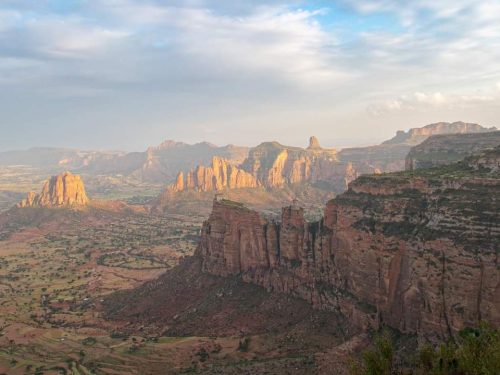
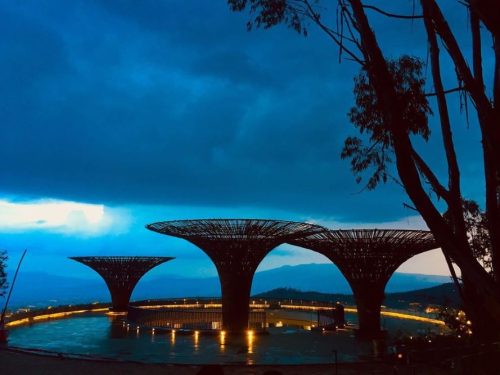
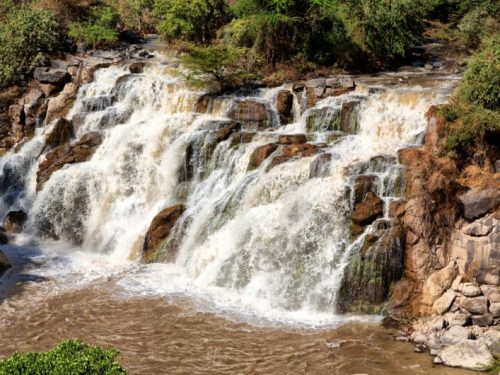
30 Days Combined Ethiopia Tours from Addis Ababa




duration
30 Days
Transpotation
Flight + 4W Drive
Tour Type
Private Tour
Group Size
2 people
30 Days Combined Ethiopia Tours from Addis Ababa
$5,500.00
Tour Name – 30 Days Combined Ethiopia Tour from Addis Ababa
Duration – 30 Days / 29 Nights
Mode of Transportation – Car and Domestic Flights
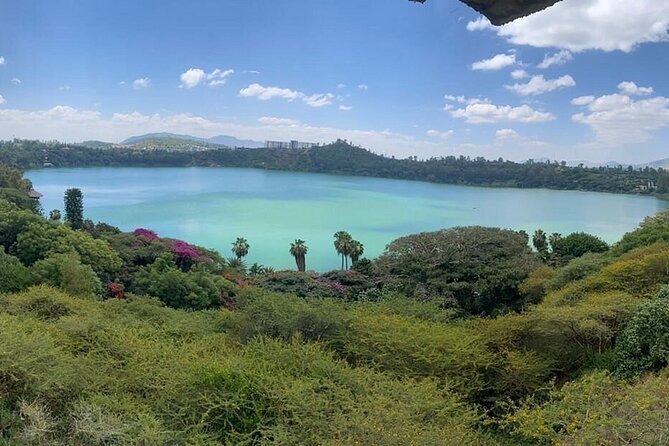
Day 01 Drive Addis Ababa to Lake Hora for the Irreecha Festival
This morning you will drive from Addis Ababa to Lake Hora in Bishoftu to attend the Irreecha Festival. Irreecha is the most important annual thanksgiving and cultural festival of the Oromo people, Ethiopia’s largest ethnic group. The celebration expresses gratitude to Waaqaa (God) for the blessings received during the past year and welcomes the beginning of the sunny and fertile harvest season following the rainy months. Thousands of people gather around the lakeshore dressed in traditional attire to celebrate with prayers, songs, and cultural performances.
Overnight at Noora Resort, Bishoftu.
Day 02 Drive to Abijatta–Shalla National Park
Today you will drive to Abijatta–Shalla National Park, which covers about 887 square kilometers and includes the two alkaline lakes of Abijatta and Shalla. The park habitat consists of open grasslands, dry savannas, and arid shrublands dominated by different species of acacia trees including umbrella thorn acacias, red acacias, and gum acacias. Wildlife commonly seen here includes Grant’s gazelles and common warthogs. The park is also an important bird habitat, hosting around 300 bird species including endemic, resident, and migratory birds. Common ostriches and Somali ostriches are frequently observed in the area. After the visit you will continue driving to Shashemene, known internationally as a Rastafarian cultural center.
Overnight at Zion Train Lodge.
Day 03 Drive to Hare Shetan Crater Lake
After breakfast you will drive to Hare Shetan Crater Lake. On the way you will stop at Lephis Forest, a scenic highland forest known for its beautiful panoramic views. Here you can enjoy a short walk through the forest and, if time and conditions allow, take an optional hike toward the nearby waterfall before continuing to the Crater Lake area. Overnight at Fikado Asore Hotel, Butajira.
Day 04 Visit Adadi Maryam Rock-Hewn Church, Tiya Stele and Melka Kunture Archaeological Sites
After breakfast you will drive south of Addis Ababa. The first stop is Tiya, an archaeological site in central Ethiopia best known for its large stone pillars. Many of these monuments bear unique decorations and symbols. The site was designated a UNESCO World Heritage Site in 1980 due to the unique nature of these monolithic structures. The monuments date to a period between the 11th and 13th centuries, and the site contains 36 monuments including 32 carved stelae.
The second stop will be Melka Kunture, a significant Paleolithic archaeological site in the upper Awash Valley. The area consists of valleys whose inner terraces resisted erosion and preserve important prehistoric evidence. Melka Kunture became a UNESCO World Heritage Site in 2024.
The third stop will be Adadi Maryam Rock-Hewn Church. This church is believed to have been built in the 12th century and local tradition attributes its construction to King Lalibela of the Zagwe dynasty. According to the hagiography of Saint Lalibela, Adadi Mariam was one of the many rock-hewn churches he commissioned during his reign. Oral tradition also links the church to the arrival of the Ethiopian Orthodox saint Abune Gebre Menfes Kidus from Egypt.
Overnight Aya Addis hotel Addis Ababa
Day 05 Fly Addis Ababa to Gondar
After breakfast you will be transferred to the airport for your flight to Gondar. Upon arrival you will begin visiting the Castle of Gondar Because of its historical importance and architecture, the fortress was inscribed as a UNESCO World Heritage Site in 1979. The complex of buildings includes Fasilides’ castle, Iyasu I’s palace, Dawit III’s Hall, Empress Mentewab’s castle, a chancellery and library from Yohannes I, a banqueting hall from the emperor Bakaffa.
Debre Birhan Selassie (The Enlightening of Trinity) It was founded in the late 17th century by Iyasu I, but the building had to be rebuilt after fire and lightning. Most other churches in Gondar were destroyed by the Dervish of Sudan; Debre Birhan Selassie escaped because it was protected by brave bees. The walls contain biblical stories, depicting several scenes of the life of Christ and various saints. Some of the scenes are brutal, beheadings are depicted with bloody detail, and the devil also made it to the colorful walls.
Fasiledes Bath is a significant historical and cultural site in Gondar. It’s a square Embattlement pool with a two storied palace situated within and it plays a crucial role in the celebration of Epiphany, the Timkat festival. The compounds walls have been slowly engulfed by the thick slithering roots of ancient badian trees that are now intertwined with the crumbling brickwork.
Overnight Haile Resort Gondar
Day 06 Gondar Excursion to Simien Mountain National Park
After breakfast the trip starts from Gondar to the famous and beautiful Simien Mountains National Park. The park is known as the roof of Africa and contains several high mountains and the only place in Ethiopia registered by the UNESCO as a natural beauty. After two hours’ drive from Gondar we will start hiking admiring Beautiful landscapes and mountains and enjoying nature. There will be a chance to see some wild animals especially the endemic Gelada Baboons. Later you will be drive back to Gondar.
Overnight Haile Resort Gondar
Day 07 Gondar City Tour and Fly Back to Addis Ababa
After breakfast you will visit the Kuskuam Complex, an important historical site located about three kilometers west of central Gondar. The complex was built in the 1730s by Empress Mentewab, the influential wife of Emperor Bakaffa. After the emperor’s death she established Kuskuam as her personal palace compound, which later served as a royal residence, monastery, and political center during her regency. You will also visit the Haile Selassie Palace in Gondar, a residence constructed in the 20th century and used by Emperor Haile Selassie during visits to the city. Later in the afternoon you will fly back to Addis Ababa.
Overnight Aya Addis hotel Addis Ababa
Day 08 Fly Addis Ababa to Axum
After breakfast you will fly to Axum. Upon arrival you will begin exploring one of Ethiopia’s most ancient cities, with more than 2,500 years of history. Axum was once the center of a powerful empire and ancient civilization and is traditionally believed to be the home of the original Ark of the Covenant.
You will visit the Northern Stele Park where ancient Aksumite kings were crowned. The park contains towering granite stelae that mark royal tombs dating back to the 3rd and 4th centuries CE. You will also visit the tombs of King Kaleb and his son Gebre Meskel, impressive underground stone structures from the 6th century.
Another highlight is the famous Ezana inscriptions, written in Ge’ez, Sabaean, and Greek. These inscriptions commemorate the military victories of King Ezana and record his historic conversion to Christianity in the 4th century.
Overnight at Sabean Hotel Axum.
Day 09 Explore Axum
Today you will visit the site known as the Queen of Sheba’s Bath, locally called Mai Shum. This large reservoir is traditionally associated with the legendary Queen of Sheba and remains an important religious site.
You will also visit the ruins of the Queen of Sheba’s Palace, sometimes referred to as the Dungur complex, and the Axum Archaeological Museum where ancient coins, royal inscriptions, pottery, and other artifacts from the Aksumite Kingdom are displayed.
Overnight at Sabean Hotel Axum.
Day 10 Church of Our Lady Mary of Zion
Today you will visit the Church of Our Lady Mary of Zion, one of the most sacred religious sites in Ethiopia and the spiritual center of the Ethiopian Orthodox Church. According to Ethiopian tradition, the Ark of the Covenant is kept here and guarded by a single monk who is the only person permitted to see it.
The church complex includes the ancient church traditionally attributed to King Ezana, a 17th-century church built by Emperor Fasilides, and the modern cathedral constructed in the 1960s by Emperor Haile Selassie.
Overnight at Sabean Hotel Axum.
Day 11 Drive Axum to Hawzen
After breakfast you will drive to Hawzen. On the way you will visit the Yeha Temple, also known as the Great Temple of Yeha, is one of the most important and oldest archaeological sites in Ethiopia. Date of Construction Believed to be built around 700 BCE (8th century BCE) with Cultural Affiliation of Pre-Aksumite civilization (linked to the Sabean culture of South Arabia) and materially carefully cut and polished limestone blocks (dry stone masonry, without mortar)
Overnight at Vision Hotel Hawzen.
Day 12 Climb Abuna Yemata Guh Church and Drive to Mekelle
This day after breakfast you will visit the church of
Abuna Yemata Guh. It is a monolithic church dating from the sixth century and dedicated to Abuna Yemata, one of the nine Syrian saints. The interior reveals many religious paintings, very well preserved and many religious books dating from the 13-14th century. The paintings of a few centuries younger are intact and paint the arrival of Christianity in Ethiopia in the fourth century. It is situated at a height of 2,580 meters and has to be climbed on foot to reach. The 360 degree view of the surroundings is amazing.
Later you will continue to Mekelle, stopping on the way will visit the
Church of Abreha wa Atsbeha, was built in East Tigray around 15 km from Wukro, Cut from a single mountain rock between 335 and 340 AD by the two famous twin-brothers kings Ezana and Sayzana, later on, named Abraha and Atsbeha, this is one of the several hundreds of important rock churches in Tigrai. Their bodies are claimed to be entombed in the church. At one time the church served as a monastery but now operates as a parish church the ceiling was blackened by soot due to Queen Gudit setting a fire in the building nine centuries earlier.
Overnight at Planet Hotel Mekelle.
Day 13 Danakil Depression
After breakfast you will drive to Afdera, an area known for salt extraction from Lake Afdera. After lunch you will continue toward Erta Ale volcano. In the evening you will hike to the summit to observe the dramatic lava lake. Erta Ale is one of the few volcanoes in the world with a permanent lava lake and stands about 613 meters above sea level.
Overnight camping at Erta Ale.
Day 14 Danakil Depression
After breakfast you will drive toward Ahmed Ella, passing landscapes of solidified lava, sand, and small oasis settlements inhabited by Afar communities. You will visit Salt Lake Asale where salt is traditionally mined. The sunset reflections across the salt flats create an unforgettable experience.
Overnight camping at Ahmed Ella.
Day 15 Danakil Depression and Fly Back to Addis Ababa Via Mekelle
In the morning you will visit the extraordinary hydrothermal fields of Dallol, located about 125 meters below sea level and known as one of the hottest places on Earth. The colorful mineral formations and bubbling pools create a surreal volcanic landscape. Later you will return to Mekelle Airport for your flight to Addis Ababa.
Overnight Aya Addis hotel Addis Ababa.
Day 16 Fly Addis Ababa to Lalibela
After breakfast you will be taken to the airport for your flight to Lalibela. You will be met upon arrival and taken to your Hotel. After lunch you will Visit
Bete Golgotha‑Mika’el: a twin‑church complex marking the most sacred area, featuring the Selassie Chapel within Bete Golgotha said to house the tomb of King Lalibela and striking carved reliefs of saints inside Bete Mika’el
Bete Maryam: possibly the oldest church in the site, with an intricately painted ceiling depicting biblical scenes and windows symbolizing the Trinity and crucifixion
Bete Meskel: a small chapel carved into the courtyard of Bete Maryam, the “House of the Cross”
Bete Denagel (House of the Virgins): an intimate, grotto‑like chapel adjacent to Bete Maryam, reputed to commemorate fifty Christian nuns martyred in late antiquity
Bete Medhane Alem: the largest free‑standing monolithic church in the world, shaped like a Greek temple. Inside, dozens of columns support the vaulted ceiling, and the polished stone floor reflects shafts of light from high‑aperture windows. In one corner stand three symbolic empty graves for the patriarchs Abraham, Isaac, and Jacob. Later in the afternoon, you’ll visit the western group’s standalone masterpiece:
Bete Giyorgis (Church of Saint George): isolated on a sloping rock terrace to the southwest of the village, this church is carved in the shape of a perfect cross and often considered the most elegant of all 11. It stands in a sunken pit and is reached via tunnels and trenches
Overnight Maribela Hotel Lalibela
Day 17 Drive Lalibela to Asheten Maryam and Na’akuto La’ab
After breakfast, you’ll journey to
Na’akuto La’ab Monastery founded by Na’akuto La’ab, the successor of King Lalibela. Inside, you’ll discover a fascinating collection of sacred artifacts believed to have belonged to Na’akuto La’ab himself: crowns, gold-painted drums, ornate crosses, a large painted canvas featuring ancient monarchs, and an illuminated Bible of remarkable beauty. Of particular interest are the ancient stone basins that collect water dripping from the cave’s roof widely regarded as holy.
Afterwards, you’ll drive on to
Asheton Maryam Church, another longstanding sanctuary packed with sacred treasures. Here, the priest graciously displays a collection of intricate crosses and a richly illustrated Bible, showcasing colorful and elaborate artworks that date back centuries.
Overnight Maribela Hotel Lalibela
Day 18 Drive Lalibela to Yemrehana Kristos church
After breakfast at the hotel you will drive to
Yemrehana Kristos Church, it’s an ancient Ethiopian Orthodox church built inside a natural basalt cave on the slopes of Mount Abune Yosef, northeast of Lalibela. It dates back to the 11th–12th centuries and is one of the best-preserved examples of late Aksumite architecture older than the rock-hewn churches in central Lalibela. Built, not carved – Unlike Lalibela’s rock-hewn churches, this one was constructed using layers of stone and wood especially olive wood panels inside the mouth of a large cave Aksumite style. Its architectural style resembles that of ancient churches from the Kingdom of Aksum, with wood-stone layered walls, cruciform windows, and beautifully carved wooden ceilings. Interior artworks, the church contains rich murals and decorated woodwork that are among the oldest surviving paintings in Ethiopian church art.
Overnight Maribela Hotel Lalibela
Day 19 Fly Lalibela to Arba Minch via Addis Ababa
In the morning you will visit the remaining southeastern group of Lalibela’s rock-hewn churches. Including
- Bete Gabriel‑Rufael (House of Archangels Gabriel and Raphael)
- Bete Marqorios (St. Mercurius/Mark the Evangelist)
- Bete Emmanuel (House of Emmanuel)
- Bete Abba Libanos (House of Abbot Libanos)
These southeastern cluster churches, carved into volcanic rock, showcase exceptional Aksumite architectural features and intricate decorative motifs unique to Lalibela, After visiting these sacred sites, you’ll be transferred to Lalibela Airport to flight via Addis Ababa to Arba Minch.
Overnight at Haile Resort Arba Minch.
Day 20 Visit the Dorze People
After breakfast you will drive to visit the Dorze people who are expert in weaving called Shammas Weaving are a primary profession for a number of Dorze people. The shape of their house looks Elephant, in order to remember the existence of these animals around the area many years ago. They are known for their traditional weaving of huts made out of local bamboo. Enset “fake banana” is the stable food for these peoples.
Overnight Haile Resort Arba Minch
Day 21 Nechisar National Park
Afterbreakfast, you will visit Nechisar National Park located between Lake Abaya and Lake Chamo in the Great Rift Valley. The park covers about 1,030 square kilometers and protects diverse ecosystems and wildlife.
Overnight at Haile Resort Arba Minch.
Day 22 Boat Trip on Lake Chamo and Drive to Konso
After having your breakfast you will take a boat cruise on the
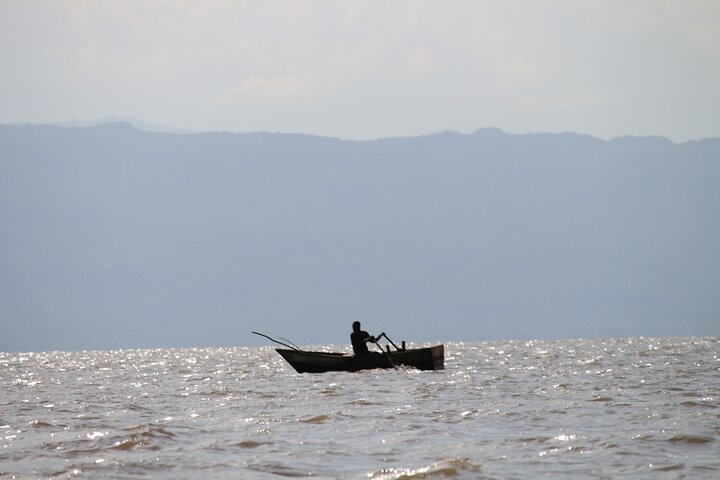
Lake Chamo, the third biggest Lake in Ethiopia you will have a boat trip to see the crocodiles, hippos & aquatic bird species. The northern shores of Lake Chamo are famous for its large crocodiles, which can be seen in numbers lounging in the heat. The lake is about 32km long and provides a lush wetland habitat for many species of flora and fauna. After the excursion you will drive to Konso.
Overnight at Kanta Lodge Konso.
Day 23 Visit Konso Village and the Pinnacles (“New York”)
After breakfast you will visit
Konso village, one of the UNESCO site in Ethiopia know by their terracing in order to protect against soil erosion from the sporadic and often heavy rainfall in the region. The villages are encircled by one to six concentric rings of stone walls, mainly consisting of basalt boulders. The age of each town is classified by a generation pole and each family lives in compounds that are accessible only through gateways that require the visitor to enter on all fours thereby rendering any potential attackers vulnerable. One of the best types of coffee for the country is also from this village.
Overnight at Kanta Lodge Konso.
Day 24 Drive Konso to Turmi
After breakfast you will drive to Arbore tribe, that living near Lake Chew bahir in hot and flat areas and mainly cattlemen. They are speaking their own language Arbore which is from the omotic language family. The Arbore men can have multiple wives with his first wife chosen by his father. Most Arbore children have shaved heads with the older girls often wearing a black cloth draped over their heads to protect from sun as well as a visual tradition to indicate they are unmarried virgins
Overnight at Paradise Lodge Turmi.
Day 25 Drive Turmi -Kangaten (Nyangatom tribe) — Karo tribe – Turmi This morning, we continue through the savannah with shrubs and umbrella acacia trees.
Kangaten (Nyangatom tribe) To adore their long and lean bodies, the Nyangatom women wear numerous necklaces and long Skirts from goatskins that are richly decorated They are indeed fierce warriors which is supposedly demonstrated by their custom to scar their chest; one scar for each killed enemy. Herds of cows are their most valuable property. Later drive to Kolcho, the village of
Karo people at the eastern bank of Omo River with beautiful views, Karo are famous for their intricate face and body painting practices, which they apply on their heads and torso before major events and on the weekly markets. Karo is the smallest tribes of the Omo Valley and Karo men also sculpts and shave their hair into extravagant shapes, with special ochre “caps” of hair usually containing several ostrich feathers. Then back to turmi for lunch and proceed to the
Hammer people, distinguished by the fact that their women wear leather skirts decorated with shells, wear several copper bracelets on their hands and heavy iron necklaces around their necks, symbolizing their social status, and their hair is colored with ocher and animal fat. Men, in case of victory over the enemy or a dangerous beast, fix the hairstyle with clay and decorate with ostrich feathers. This hairstyle is carefully guarded the Hamar sleep with a special borkotos chair under their neck. they are also known for their unique custom of “bull jumping,” which initiates a boy into manhood, practice of body adornment and wearing a multitude of colorful beads.
Overnight Paradise Lodge in Turmi
Day 26 Drive Turmi – Omorate – Jinka
After breakfast you will drive to Omorate crosses the Omo River to visit the
Dassanech tribe only 72 Km from Turmi, Dassanech are traditional pastoralists, but in recent years began to move to a semi-nomadic way of life. The highest expression of male beauty is the vulgar transverse scars across the entire chest and back, resembling crocodile skin. Such scars are inflicted on a body of the warrior who showed himself heroically in battle, who killed the enemy in course of tribal cattle raids.
Overnight Paradise Lodge in Turmi
Day 27 Drive Turmi to Jinka
After breakfast you will drive to Jinka with a stop to visit the Banna people. The Banna practice agro-pastoralism and maintain cultural traditions including body decoration, scarification, and bead jewelry.
Overnight at Eco Omo Lodge Jinka.
Day 28 Visit Mago National Park and the Mursi Tribe
After breakfast you will drive to Mago National Park to visit the
Mursi village, the Mursi women, like their Surma cousins, live on the other bank of the Omo River, are famous for their large round (and not only) lip plates worn by women. There are several theories of the wearing of lip plates: disfiguring to prevent enslavement by Arabs in antiquity; protection against the penetration of evil spirits into the body through the mouth; determination of social status, showing the amount of cattle that the groom must pay as a dowry for the bride owning the plate. Mursi are unsurpassed masters of scarification. The scars on their bodies symbolize social status and past merits. The scars are created by using a razor blade and camel thorn. To achieve a bulge, an ash or a fly larva is planted in the wound, which, among other things, eliminates all possible infections. Later drive to Jinka.
Overnight at Eco Omo Lodge Jinka.
Day 29 Visit Ari Tribes and Fly back to Addis Ababa
After breakfast at your hotel, you will visit the Ari people, the largest ethnic group in the lower Omo Valley. They live mainly in the fertile highlands around Jinka and are primarily settled farmers.
Their lifestyle and economy are based on agriculture, cultivating crops such as maize, sorghum, coffee, fruits, and false banana. Thanks to their productive land, they supply a significant portion of food to the wider Omo Valley region. In addition to farming, they practice livestock keeping and are known for their craftsmanship, including pottery, weaving, blacksmithing, and the distillation of traditional liquor. Ari homes are often beautifully decorated with natural materials like charcoal, clay, and ash, reflecting their rich cultural traditions. Later drive to Jinka airport for your flight back to Addis Ababa.
Overnight Aya Addis hotel Addis Ababa
Day 30 Departure
Today, you will be transferred to the airport for your international flight home, marking the end of your Ethiopian journey.
Included
- 4x4 WD transportation with driver
- Airport pickup/ drop off
- All entrance fees as per the program
- Camping Materials with meals at Danakil Depression ONLY
- Car with professional drivers
- Daily unlimited bottle of water
- English speaking professional guides
- Hotel accommodation in a double/twin room with breakfast
Excluded
- Alcohol drinks
- Gratitude and personal expense
- Lunches and dinners
- Other personal expenses
- Personal travel insurance
- Tips for guides and drivers
- Video and photographing fees
- Visa and immigration fees
Cancellation Policy
At Aman Ethiopia Tour & Travel, we strive to provide flexibility and customer satisfaction. Our cancellation and booking policy combines standard, promotional, and flexible options to ensure a seamless experience for our clients.
Show moreQuestions?
We’re here to help! If you have any inquiries about our tours, destinations, or custom packages, feel free to get in touch with us.
Product code: 37315
Contact usRelated products
-

-
- Multi-Day Tours
24 Days North, East and South Ethiopia with Danakil Depression Tours
Group Tour
Request for Price24 days
- $0.00
- View Details
-
-
-
- Multi-Day Tours
12-Day Grand Ethiopia Experience: Highlands, Rift Valley Lakes, Awash Safari & Harar Heritage Tour
Group Tour
From $2,610.00/Person12 Days
- $2,610.00
- View Details
-
-
-
- Multi-Day Tours
12 Days Danakil and Lalibela tour
Group Tour
From /Person12 Days
- View Details
-